
6 min read • published in partnership with Atlas Copco
Beyond the basics: Why specialist filtration is essential for beverage quality
Effective filtration is essential for maintaining the quality, safety, and consistency that beverage producers strive for, yet many continue to rely on low-cost, non-specialist filters that can compromise these critical outcomes. While basic filters may seem cost-effective, the long-term consequences can be significant – from product recalls and damaged brand reputations to financial losses and potential health risks for consumers.
Whether producing fruit juices, bottled water, dairy drinks, beers, or fine wines, the removal of unwanted particles, control of microbial contamination, and maintenance of product quality are essential to the process. Effective filtration supports regulatory compliance, reduces waste, and preserves the flavour and consistency that consumers expect – factors that are increasingly important as the industry responds to tighter standards and rising consumer expectations.
Why not all filters are created equal
Filtration is a common requirement across the beverage sector, despite the diversity in raw materials and production methods. In juice production, advanced filtration systems preserve the natural flavour while extending shelf life by removing bacteria, mould spores, and yeasts that degrade product quality. Contaminants such as Salmonella in citrus juices, and E. coli and Cryptosporidium parvum in apple juices, are effectively eliminated using sterile membrane filtration, ensuring both safety and taste integrity. Even in dairy processing, including plant-based alternatives, fine filtration is critical for removing bacteria and other contaminants, preserving both taste and nutritional value while extending shelf life.
In wineries, filtration removes yeast, haze-forming proteins, and unwanted solids, ensuring each glass reflects the intended flavour and aroma without sediment. Even bottled water, seemingly simple, requires stringent filtration to remove particulates and microorganisms, delivering pure and safe hydration.
Filtration technologies – choosing the right approach
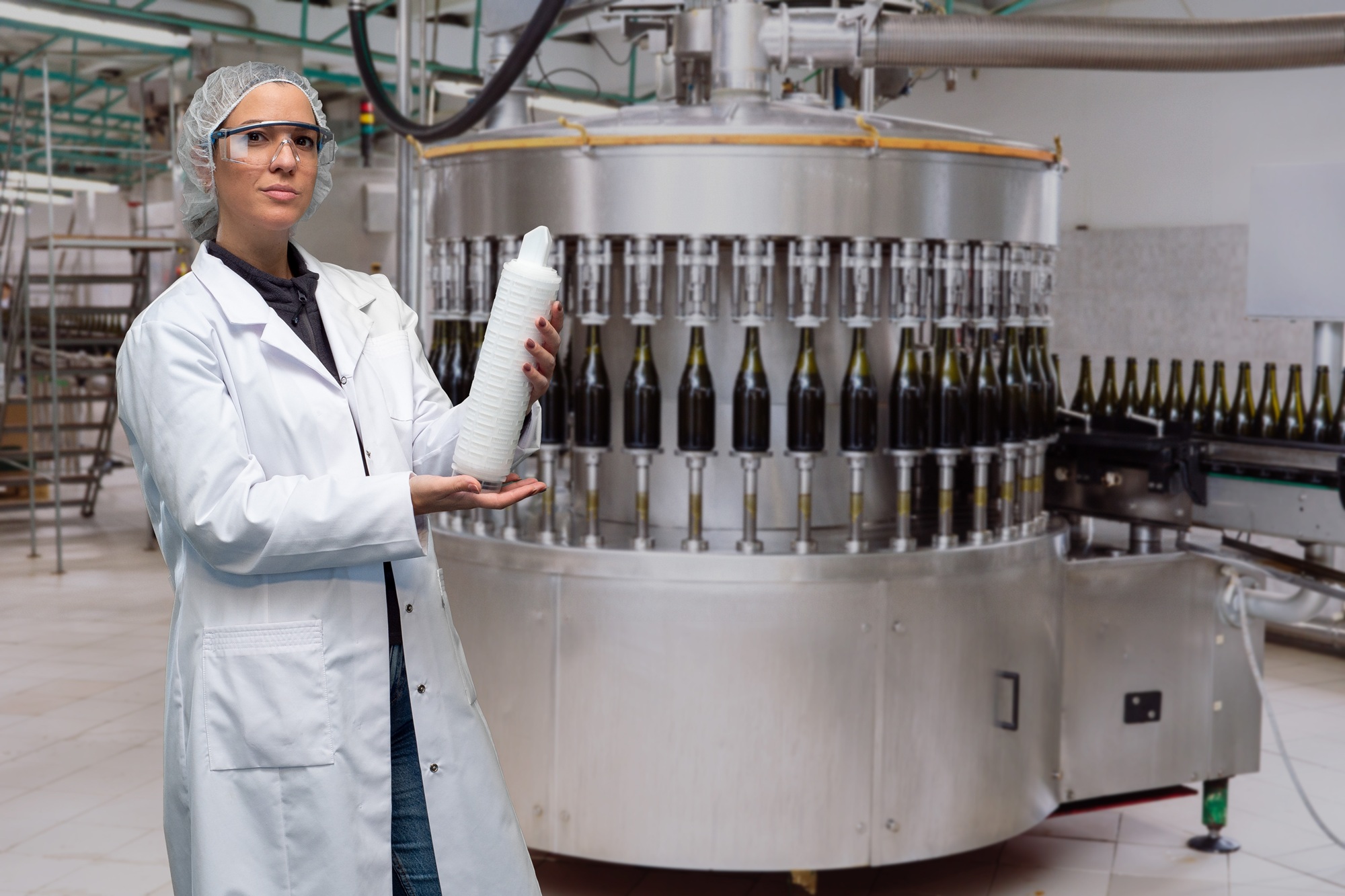
Modern beverage filtration systems vary significantly in their design, quality, and effectiveness. While low-cost options can remove visible particles, they often fall short when it comes to maintaining flavour, extending shelf life, and ensuring microbiological stability. In contrast, specialised filters, including those made from polyethersulfone (PES), polyvinylidene fluoride (PVDF), and polypropylene, offer a higher level of control over contaminants, helping producers avoid costly contamination incidents and recalls. These filters offer precise control over particle size and are designed for applications ranging from coarse pre-filtration to final sterilisation. Unlike depth filtration, which relies on thick filter media to capture debris throughout its structure, surface filtration traps particles at the membrane’s surface, providing a finer level of clarity and microbial stability.
Membrane types used in beverage filtration include polyethersulfone (PES), polyvinylidene fluoride (PVDF), and polypropylene. PES and PVDF are often preferred for their chemical resistance, wettability, and high flow rates, making them ideal for final filtration in applications like wine and beer production, because preserving flavour and colour is critical. Polypropylene, on the other hand, is valued for its durability and cost-effectiveness, making it a popular choice for pre-filtration and rough polishing stages. These membranes can handle the high throughput required in large-scale juice processing or the demanding sanitary requirements of dairy filtration, providing a cost-effective solution for removing larger particulates before final polishing.
Managing microbial stability
Microbial control is critical in beverage production, as unwanted bacteria, yeast, and mould can compromise safety and flavour. Microfiltration effectively removes microbial contaminants in dairy processing while preserving essential nutrients and natural taste. Crossflow filtration, an advanced method suitable for large-scale dairy operations, prevents clogging by continuously filtering out particulates and microbes, optimising throughput.
Similarly, sterile filtration in juice production removes pathogens, enhancing both safety and shelf life. This is particularly crucial for minimally processed products, like cold-pressed juices, where effective filtration substitutes heat treatments.

Filter integrity testing and quality assurance
For beverage producers, maintaining the integrity of their filtration systems is crucial for ensuring product safety and quality. Regular integrity testing of filter cartridges is essential for verifying that the membranes are functioning as intended, without breaches or compromised performance. This is important for final filtration stages, as even minor failures can lead to product contamination and costly recalls. Hydrophobic membrane filters, like those used in wine and beer production, are designed for repeated integrity testing, allowing operators to confirm that the filters remain effective after multiple cleaning cycles. This approach not only reduces operational risk but also helps producers meet strict regulatory requirements for food safety.
Oxygen management – preserving freshness and flavour
Oxygen is another critical factor in beverage quality. Even small amounts can cause rapid spoilage, flattening the taste of beer, browning fruit juices, and diminishing the aroma of delicate wines. To counter this, many modern filtration systems are designed as closed loops, using inert gas blanketing to minimise oxidation. For example, certain membrane filters can be integrated with nitrogen flushing systems, maintaining a low-oxygen environment throughout the process. This approach is valuable for products sensitive to oxidation, such as aromatic white wines or fresh juices, where even a small amount of oxygen can degrade the final product’s flavour and colour.
Membrane contactors can also be used to actively remove dissolved oxygen from beverages prior to bottling. These systems operate by passing the liquid over a hydrophobic membrane, with a vacuum or inert gas on the other side to strip out oxygen molecules without directly contacting the product.
Case studies: filtration success in action
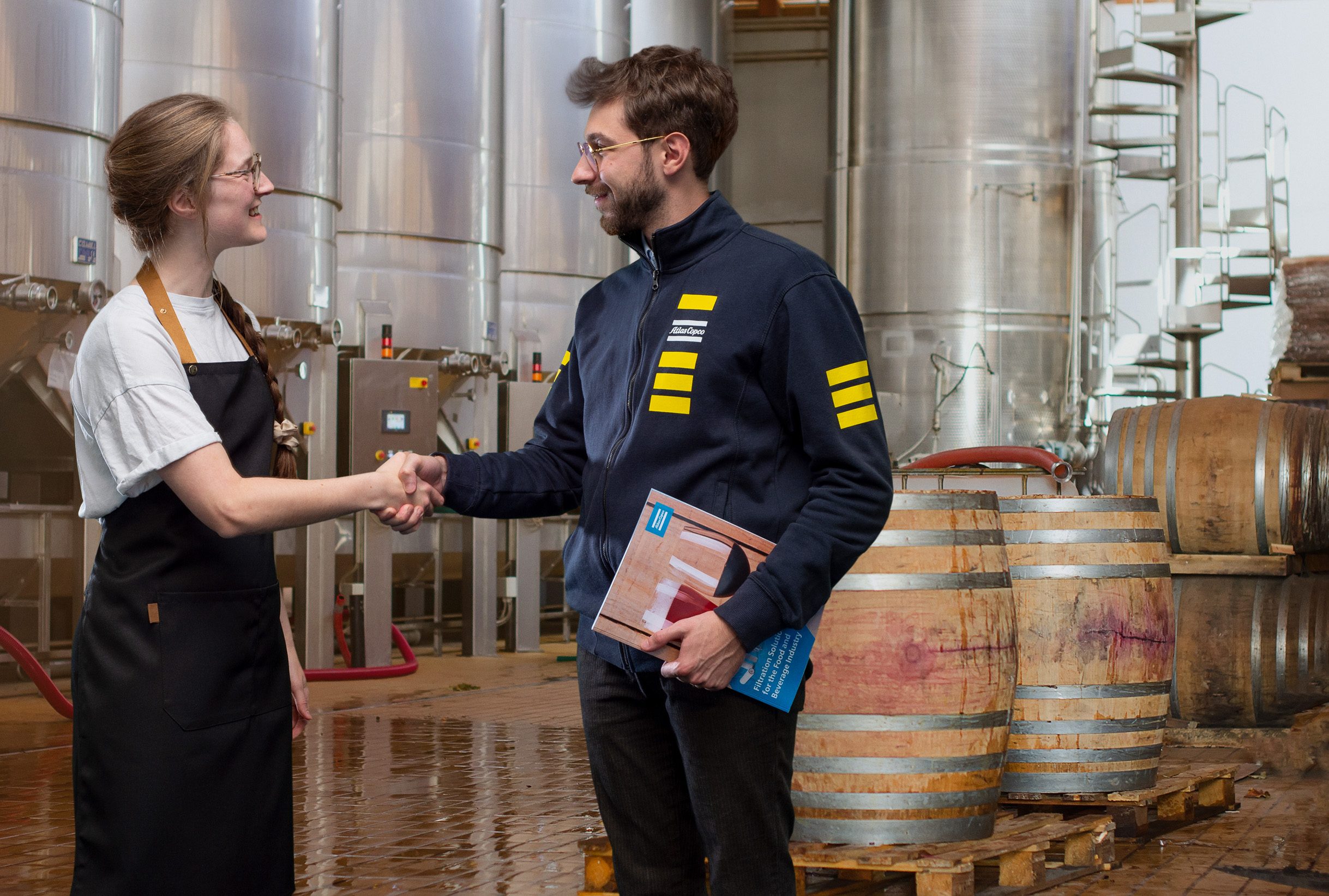
The tangible benefits of advanced filtration systems are best demonstrated through practical examples from beverage producers who successfully tackled contamination and operational challenges.
A winery in Italy faced frequent filter changes and high maintenance costs, particularly during final bottling. Switching to durable membrane filters with improved wettability and chemical resistance significantly reduced filter change frequency, water usage, and waste disposal costs, enhancing operational efficiency and environmental performance.
Similarly, a medium-sized dairy processing plant experienced frequent production slowdowns and quality inconsistencies in its milk and cheese products while expanding its product range. The root cause was an undersized filtration system, leading to premature clogging, increased downtime, and compromised purity. Their existing pre-filters also failed to capture fine particulates, further straining final-stage filtration.
To address these challenges, Atlas Copco recommended and installed a customised filtration solution tailored specifically to dairy production needs. The upgraded system featured Atlas Copco’s SLH liquid filter housings, complemented by the PFP-A pre-filter series and SME Polyethersulfone sterilising-grade membranes at the final stage.
The benefits were immediate and significant. The dairy plant experienced improved product purity, fresher taste, and reduced batch rejections. Operational efficiency was notably enhanced, with fewer filter replacements and reduced unplanned downtime. Maintenance costs decreased substantially due to longer-lasting filters, and full compliance with stringent hygiene standards was effortlessly maintained.
Efficiency, sustainability, and cost management
Effective filtration also supports sustainability by reducing product loss, waste, and resource consumption. The examples of the dairy processing plant and the Italian winery demonstrate how careful filtration media selection can reduce operational costs while supporting broader sustainability goals. By extending filter life, reducing downtime, and minimising waste, these producers have been able to improve their overall efficiency and reduce their environmental footprint, while also cutting operational costs.
Additionally, choosing the right filter media can reduce the amount of water and chemicals required for cleaning, further lowering operational costs and supporting sustainability goals. For example, some modern filters are designed to handle multiple sterilisation cycles without degrading, reducing both water usage and the volume of waste sent to landfill.

Conclusion – filtering the future
As the beverage industry continues to evolve, effective filtration will remain essential for maintaining product quality, operational efficiency, and regulatory compliance. By investing in the right filtration technologies, producers can improve yield, reduce waste, and meet the growing expectations of consumers and regulators alike. With the right approach, filtration can be a powerful tool for improving both product quality and business performance, ensuring that every drop meets the high standards of today’s demanding market.
