
6 minute read • published in partnership with PP C&A
Exclusive: Strategic outsourcing – where do machine builders start?
In this exclusive feature, Tony Hague, Director at PP Control & Automation draws on decades of experience working alongside machine builders and OEMs to explore why outsourcing should begin with strategy, not capacity pressure. He outlines how defining your core differentiation, identifying operational constraints and selecting the right partners can transform outsourcing from reactive relief into a long-term growth lever.
For machine builders and OEMs, outsourcing is rarely a strategic decision from the outset.
It usually starts with pressure – a full order book, a late project, a shortage of skilled electrical technicians, or even an urgent requirement to free up space on the shop floor.
The first step into outsourcing is almost always reactive; a tactical response to capacity or capability constraints.
But strategic outsourcing is something fundamentally different. It certainly shouldn’t be about finding someone who can build a panel cheaper. It is about designing a business that can scale without fragility, and that requires a very different starting point.
Most OEMs already outsource in some form, whether that is specialist machining, fabrication and software modules. The list goes on.
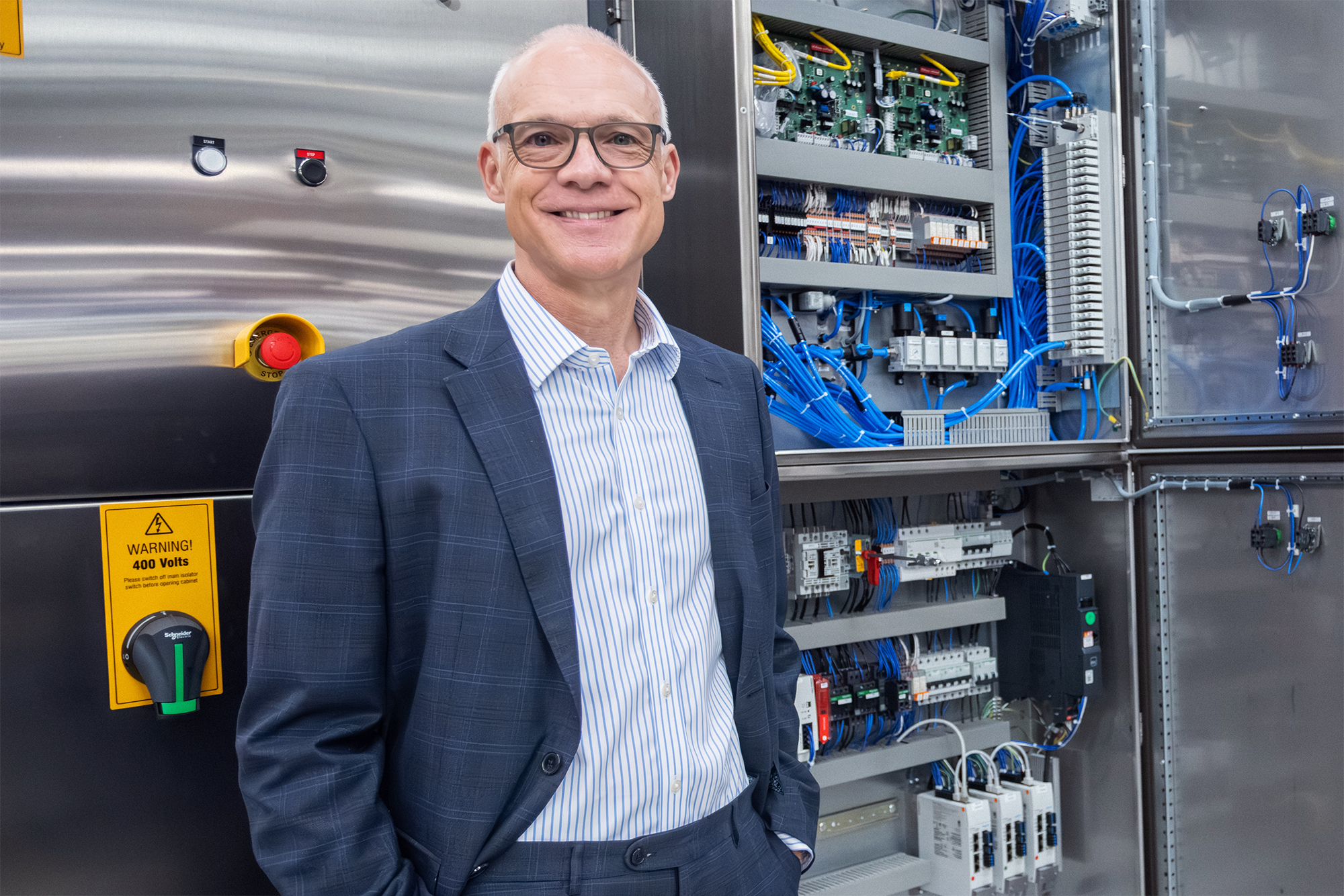
The real questions machine builders should be asking themselves are:
• What should we keep?
• What should we scale?
• What genuinely differentiates us?
• And what exposes us to operational risk?
Before speaking to any potential partner, leadership teams need clarity on one central issue: what is truly core to our business?
Is your competitive advantage mechanical innovation? Is it software and controls architecture? Is it process knowledge? Is it customer intimacy and integration expertise?
If electrical manufacturing, panel build or electromechanical assembly is not where your intellectual property sits (and not where your margin is created) then keeping it entirely in-house may be tradition rather than strategy.
That does not mean outsourcing everything. It means being deliberate and strategic outsourcing starts with defining your core.
Capacity is a symptom. Constraint is the root cause.
Struggling with demand is often cited as a key reason for considering outsourcing but it all boils down to constraints generally.
Electrical build capacity often becomes the bottleneck that governs overall throughput. Projects queue. Engineering changes cause disruption, testing becomes congested, skilled labour becomes difficult to recruit and retain…when this happens, growth becomes more difficult to design and manage.
You’re probably very aware of the ‘ifs and buts’ of operational discussions in board rooms and planning meetings – there’s that familiar response to sales… ‘we can take that order, if we recruit.’ Or maybe, ‘we can expand, once we build more space.’ Perhaps you’re familiar with, ‘we can reduce lead times, if engineering stops firefighting.’
We know many of these ‘ifs and buts’ will hit home. Our advice is to come at strategic outsourcing as an evaluated and structural solution to constraints like these. As a rule, it should not be seen as simply overflow relief.
The key question becomes: What is limiting our ability to grow predictably?
If the answer sits in production capacity, supply chain management, working capital tied up in stock, or internal resource diversion, then that is about resilience and, therefore, the conversation shouldn’t be about cost.
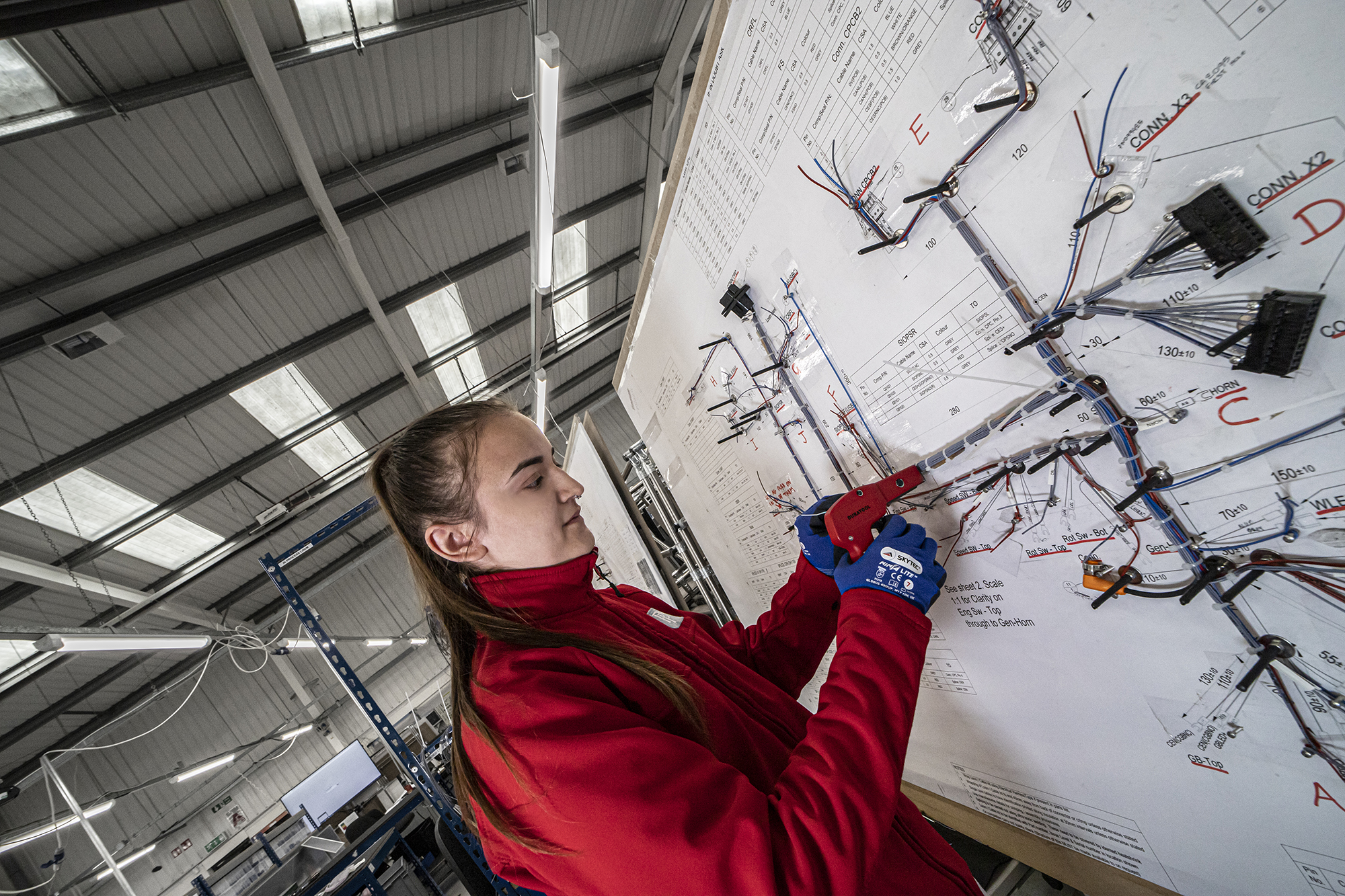
Start with risk, not cost
One of the most common mistakes OEMs make when exploring outsourcing is benchmarking unit cost too early. Price comparisons are important, but they are and never will be the starting point.
Instead, consider the hidden cost of volatility:
• The cost of delayed machine delivery
• The cost of field failure and reputational damage
• The cost of tying senior engineers into production problem-solving
• The cost of underutilised labour during slow periods
• The cost of investing in facilities that may sit idle in downturns.
Strategic partners reduce volatility. Transactional suppliers simply build to order. If your evaluation criteria focuses only on build price, you will select a vendor.
If your evaluation includes risk mitigation, scalability, structured testing, documentation control and supply chain robustness, you will select a partner. Trust us, there is a big difference! And language matters.
A subcontractor builds what you tell them to build, whereas a partner invests in understanding what you are trying to achieve.
A strategic partner should be able to:
• Understand your end markets and regulatory landscape
• Contribute to design-for-manufacture discussions
• Offer structured procurement and component management
• Support structured documentation processes
• Scale up and down without destabilising your cost base
• Protect your intellectual property with clear governance
• Align to your longer-term product roadmap.
The acid test is simple: do they ask about your three-year growth plan or just this purchase order? Outsourcing becomes strategic when it is embedded in how you design and deliver machines, not simply where they are assembled.
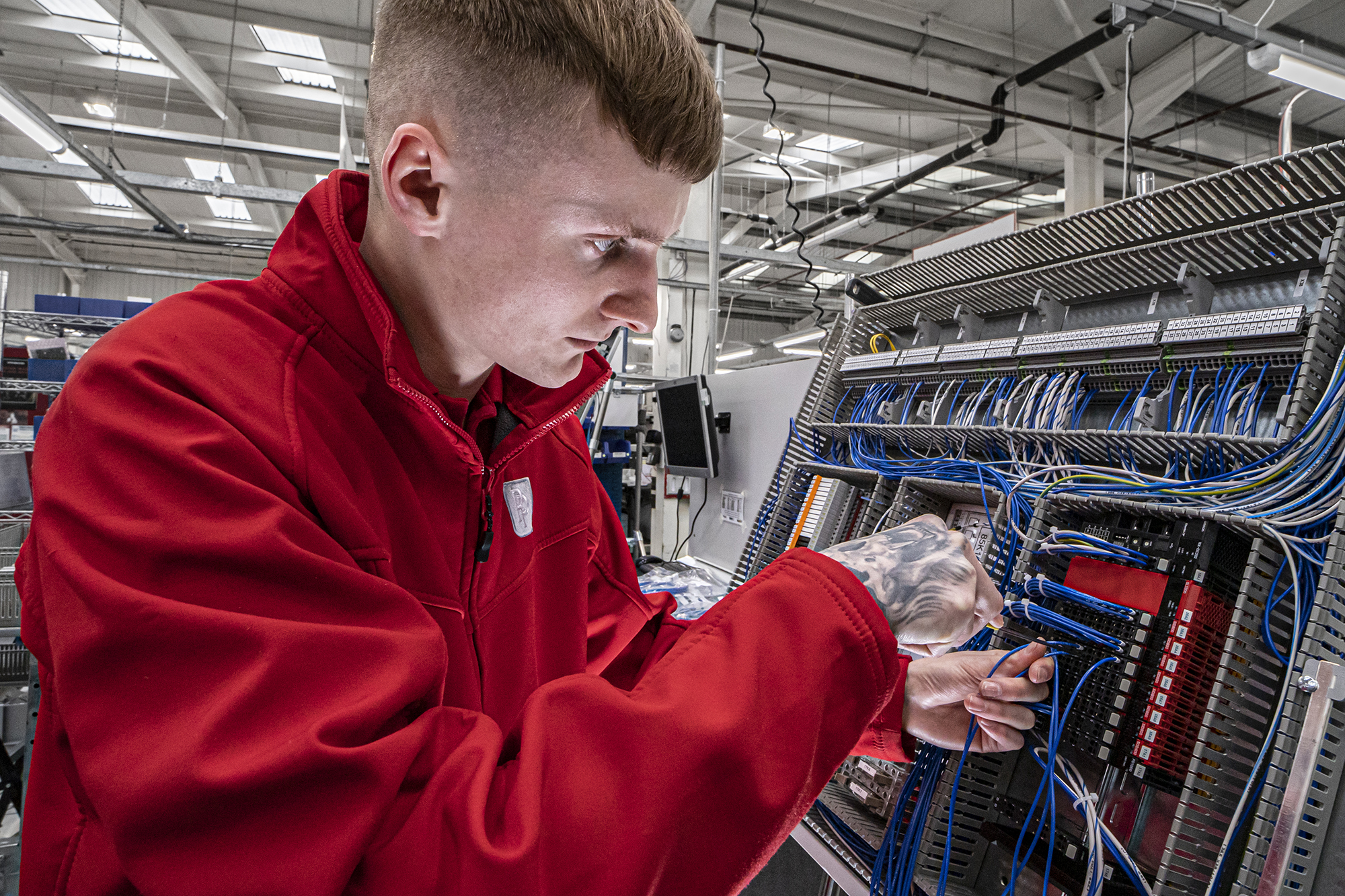
Cultural alignment is the deciding factor
If technical capability is assumed, then cultural alignment is decisive. Outsourcing relationships fail more often because of misaligned expectations than because of build quality.
Engineering teams may initially perceive outsourcing as a loss of control, quality risk, even as a threat to internal capability. And sometimes, a compromise. Leadership must reposition the narrative.
Strategic outsourcing is not about removing capability, in many ways it is the opposite of that. All stakeholders in the decision to outsource, and the staff that that decision affects, should be confident that it is about allowing them to amplify their focus.
The most successful OEMs retain high-value engineering, innovation and system integration in-house, whilst building robust, scalable manufacturing partnerships around them. They are protecting the intellectual core of the business and removing the operational friction that constrains growth.
This requires transparency, shared KPIs, open communication and continuous improvement processes.
Pilot with purpose
The right way to begin doesn’t have to be with your most complex or highest-risk machine. Try starting with a defined product family. Establish clear revision control and agree performance metrics, document baseline lead times and quality levels, and conduct structured post-project reviews. A pilot should test:
• Responsiveness
• Documentation discipline
• Supply chain transparency
• Problem-solving approach
• Communication cadence
• Cultural compatibility.
If those foundations are strong, scale becomes a strategic decision rather than a leap of faith. Strategic outsourcing partners should also be part of the conversation around what success for the next decade (and more) looks like.
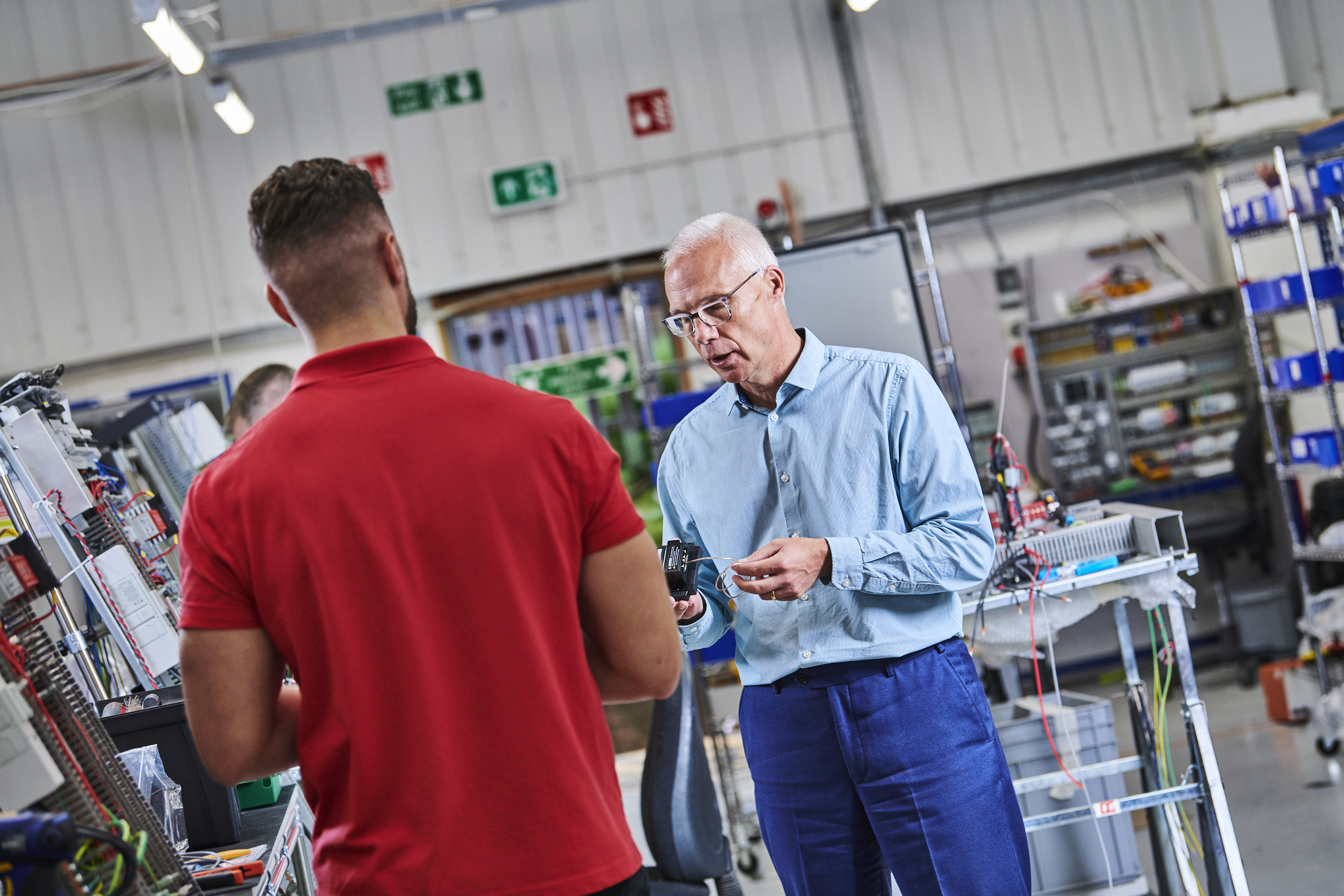
Machine building is changing
Customer expectations around lead times, documentation, traceability and lifecycle support are increasing. Regulatory environments are tightening. Skills shortages remain persistent. Market cycles remain volatile. In this reality, scale without resilience is one of your biggest risks.
The OEMs that will outperform the market over the next decade will not necessarily be those with the largest facilities and teams. They will be those with the most adaptable operating models because they will understand what must remain core. They’ll know what can be industrialised, what should be partnered, and how to design an ecosystem rather than a vertically integrated fortress.
In this regard, strategic outsourcing is about designing your business to be lighter, faster and more resilient.
So Where Do You Start?
You start internally. Define your core differentiation, identify your constraint, clarify the outcome you want to achieve and assess your exposure to operational risk.
Then engage partners who are aligned to your direction (Not just your drawings!)
Because outsourcing done reactively doesn’t solve today’s pressure and outsourcing done strategically builds tomorrow’s capacity. And in modern machine building, that distinction makes all the difference.
You can find out more about PP Control & Automation and strategic outsourcing solutions here.
