
6 minute read • published in partnership with Lloyds
Factory gains – How Nutrition Group is engineering growth to meet soaring global demand
Nutrition Group is boosting capacity and capability to keep pace with record sales in health supplements and sports nutrition. The family-owned business is investing in advanced equipment and automation, developing new products and preparing to reduce its environmental footprint – all part of a strategy to accelerate growth in the UK and overseas.
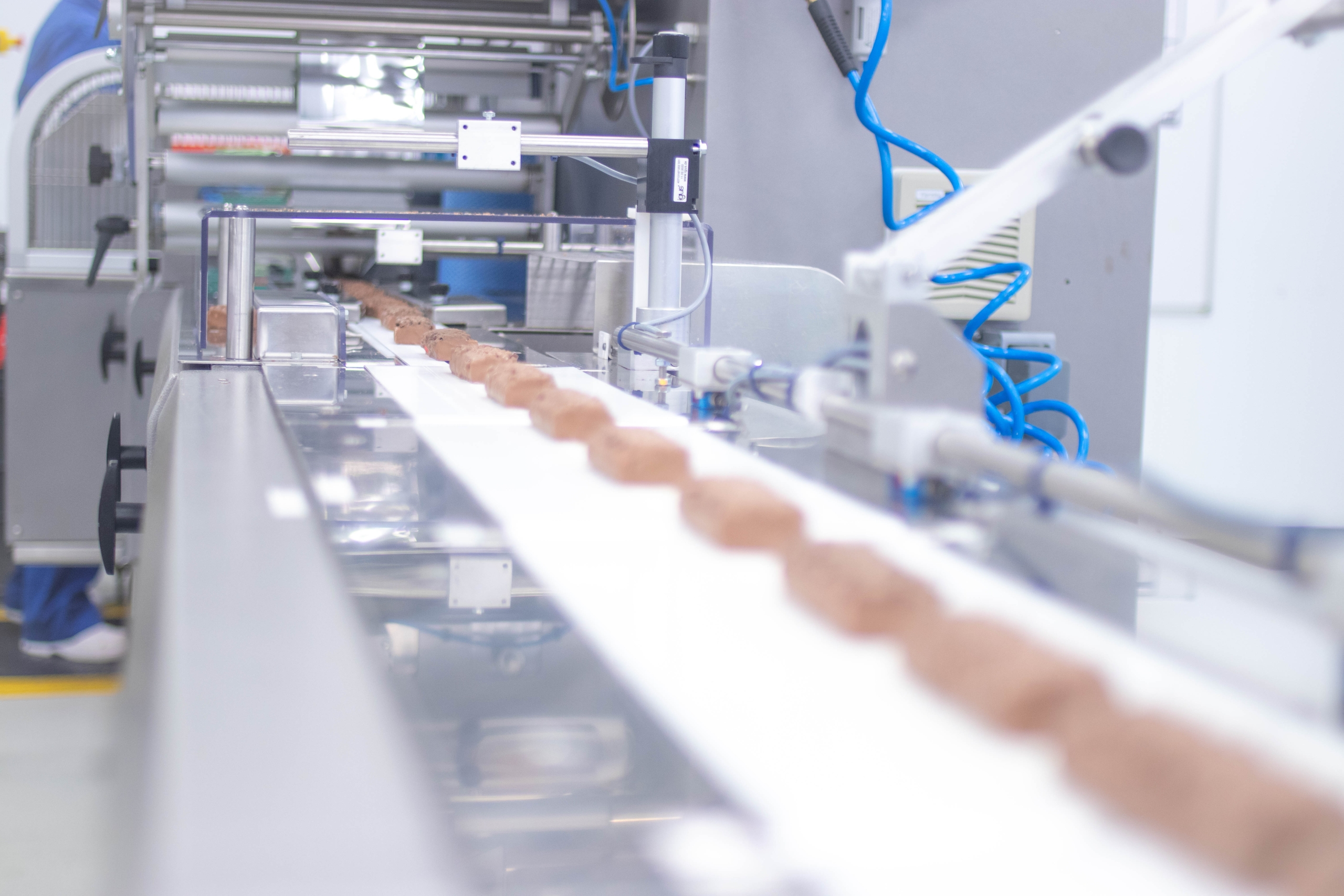
Walking through Nutrition Group’s ultra-clean factory, you’re immediately struck by the scale and efficiency of its operations. Every year, the site produces billions of tablets and capsules and millions of protein bars and bites. This is high-volume production on another level.
From its base in Blackpool, the contract manufacturer supplies major high street retailers, pharmaceutical giants and premium brands across health supplements, sports nutrition, animal and beauty. With each of its markets showing strong, continued growth with no signs of slowing, Nutrition Group is responding with purpose.
Gearing up for sustainable growth
To fuel its next phase of growth, Nutrition Group recently bought the 75,000 sq ft factory it had rented for the past decade, a move that secures both operational stability and room to expand. The £7.5m acquisition, completed in May 2025, included an adjacent 40,000 sq ft tenanted site and a two-acre field earmarked for future development.
The efficiency and diligence of Lloyds throughout the purchase impressed the leadership team so much that Nutrition Group moved its main banking to Lloyds.
“We’d worked with Lloyds before on Asset Finance for machinery, but our experience buying the site was exceptional,” says CEO Richard Greathead. “The process from start to finish was straightforward, professional and everything was completed on time.”
Owning the site has unlocked new opportunities for long-term investment, with sustainability a key focus. The business is now planning a seven-figure solar panel investment on the factory roof, expected to generate up to 60% of its energy needs. “When we were renting, it didn’t make sense to make such a significant investment,” Richard explains. “Now we can plan ahead, reduce our energy footprint and save costs at the same time. It’s a win-win.”
Garry Birchall, Relationship Director at Lloyds, added: “Due to the strength and performance of the business, Nutrition Group is a fantastic example of a manufacturer Lloyds is able to support. We were able to swiftly approve a £4m funding package, with the 1.5% arrangement fee waived under our Clean Growth Financing Initiative (CGFI). We’re delighted Nutrition Group has now moved all its banking to Lloyds so that we can support its long-term growth.”
Investing in capacity and capability
With record sales in 2024/25, the focus is now on sustaining that momentum by targeting production bottlenecks and building future capacity. Vitamins and supplements still account for around two-thirds of turnover, but protein bars are catching up fast – a reflection of how mainstream high-protein products have become.
“People see protein as a trend, but it’s more than that,” says Richard. “Protein helps with recovery after injury, supports muscle mass and, particularly as people get older, it contributes to long-term health. It’s no longer just bodybuilders; it’s part of the mass market.”
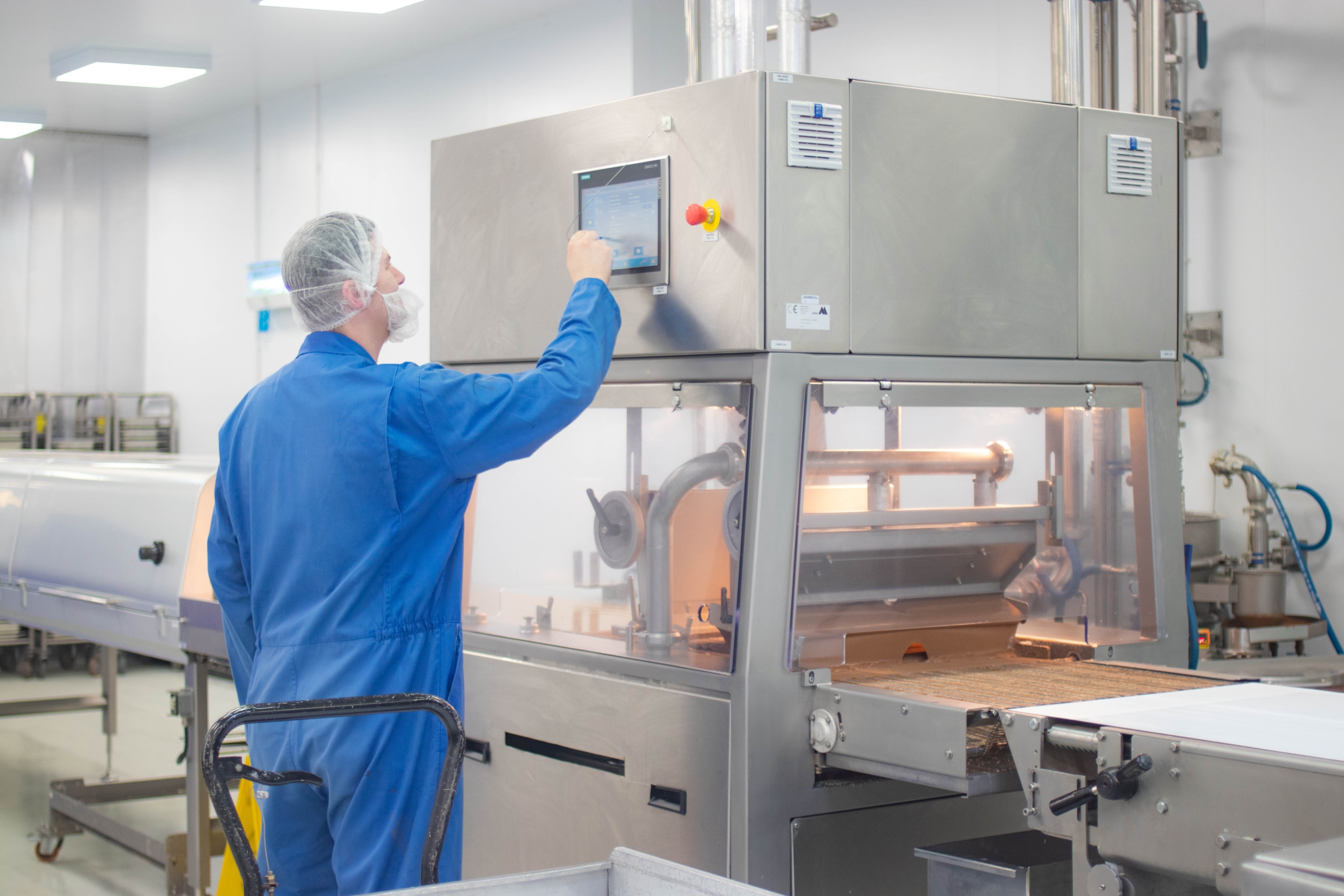
Growth in this category has been so rapid that the bar line was struggling to keep up. Recognising that products were being produced faster than they could be packed, Nutrition Group invested £1.2m in a fully automated wrapping and packing system. The new line, including robotic arms and high-speed foil wrapping, has increased throughput by 25% without expanding the factory footprint.
But in manufacturing, as Richard notes, removing one bottleneck simply moves it elsewhere. Protein dough production has already been identified as the next constraint, and a substantial investment in a new mixer – “ideally British-made, as we’re keen on supporting British manufacturing whenever possible” – is expected to double output when it arrives next year. That upgrade will, in turn, prompt a replacement of the guillotine that cuts bars to size, and currently runs at maximum capacity.
Elsewhere, a cutting-edge press has lifted output on the tablet line by 50%, and the company’s offsite lab in Daresbury, Cheshire, has recently been expanded to better support new product development.
For Richard, the advantage of being family-owned is the freedom to think long-term. “Take buying the site as an example,” he says. “In 20 years, we’ll look back and be so glad we made that decision. We’ll have the capital appreciation, no rent to pay and the freedom to invest in what’s next. It’s our biggest commitment to date, but it’s the right one for the future.”
Continuous improvement in every area
Innovation is at the heart of Nutrition Group’s growth strategy. The team works closely with customers to develop new products, formulations and flavours, taking briefs from concept to full-scale production. “We love working with customers who are ambitious and looking to grow fast,” Richard explains. “Our role is to be ready to scale with them, providing the expertise, capacity and flexibility they need.”
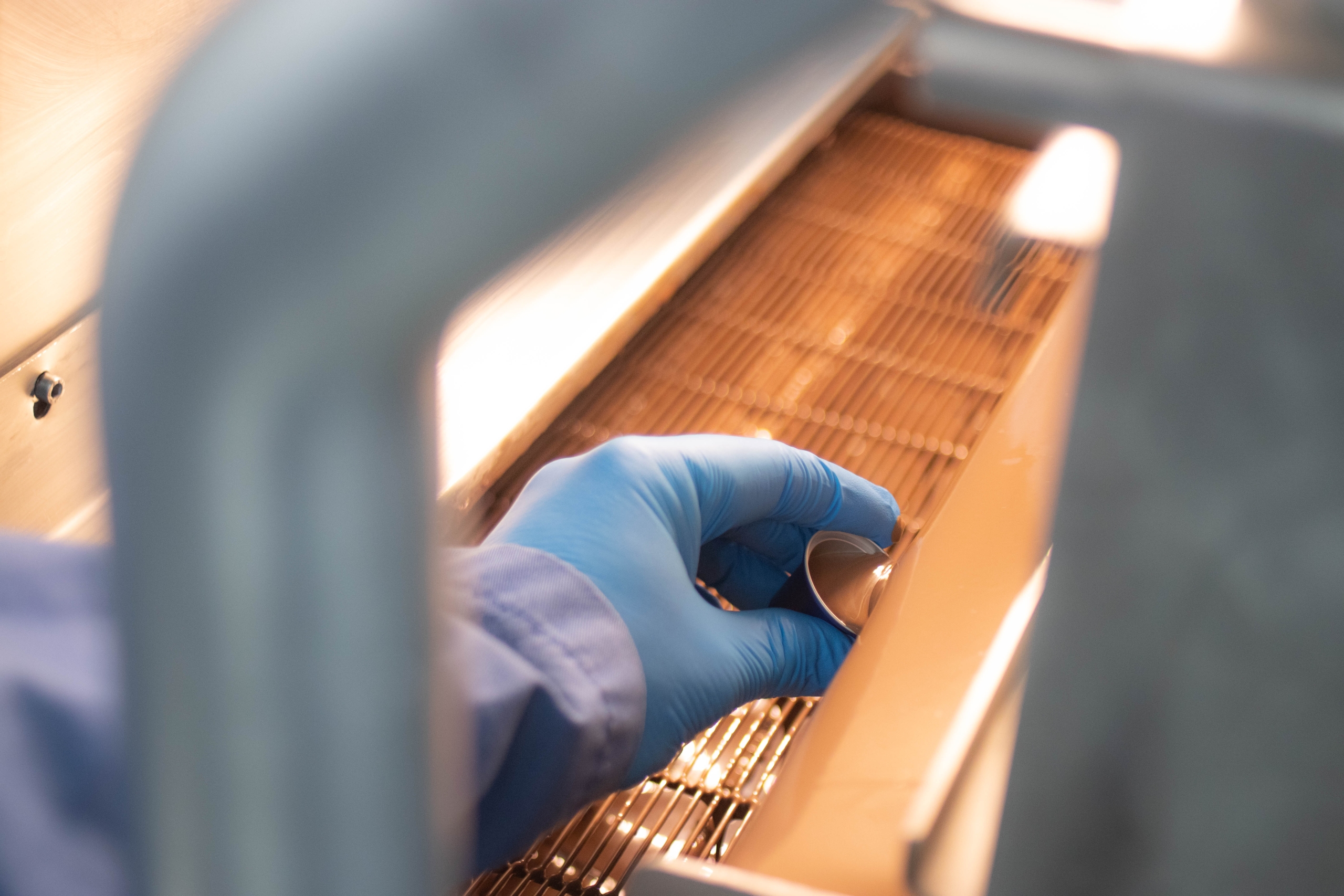
Alongside product development, Nutrition Group takes a pragmatic approach to operational excellence. On the shop floor, key performance indicators are monitored continuously, with any downtime or quality issues analysed in detail. In 2026, a new OEE system will be implemented to track, analyse, and visualise manufacturing efficiency. Given the speed and scale of production – and the fact that every product is designed to be consumed – quality control is non-negotiable. The factory operates to rigorous regulatory standards and is subject to regular audits to ensure the highest levels of product safety.
To further strengthen quality and traceability, the company is exploring an AI-enabled vision system on the bar line to detect even the smallest deviations and fine-tune throughput. If successful, the technology could be rolled out across the factory.
Continuous improvement also extends to people. Every employee follows a structured training and development pathway, supported by a strong culture of mentoring and shadowing – particularly for those seeking to move into leadership roles. The aim is to build a workforce that is highly skilled, flexible and loyal. And it’s clearly working – several employees have celebrated 10 and 20 years of service, while all four directors (including Richard’s father) remain with the business after more than 25 years.
“We take pride in getting it right first time, on time and within specification,” Richard says. “That mindset applies as much to our processes and people as it does to our products.”
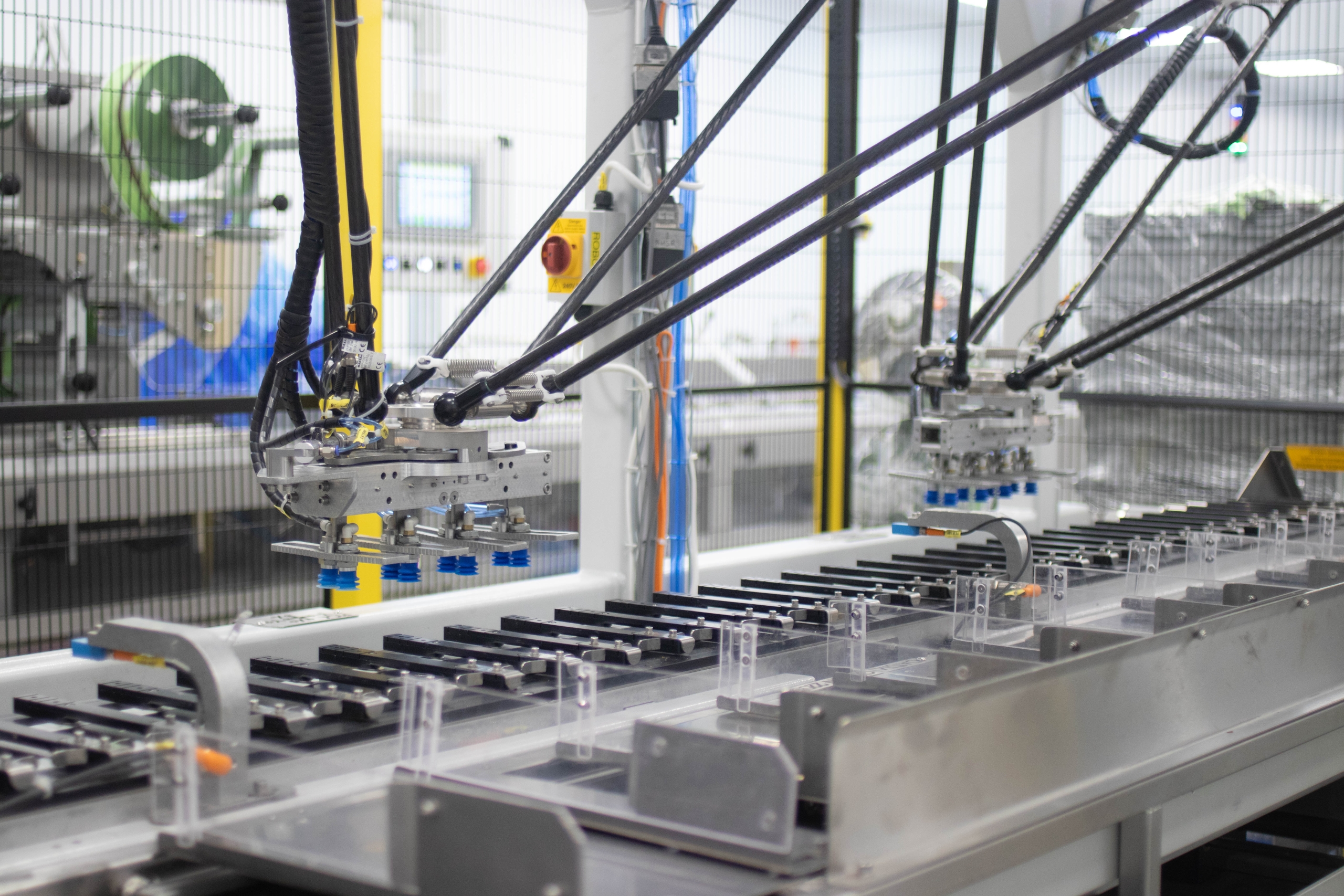
Raising the bar
What began as incremental upgrades has evolved into a strategic programme of continuous improvement, innovation and operational excellence, positioning Nutrition Group to deliver ever-higher standards. International interest is adding further momentum. Around 20% of sales now come from exports, a figure that continues to rise as demand for UK-made protein products spreads overseas.
Lloyds remains an important part of the Nutrition Group story, providing more than just financing. “We speak regularly with Garry, our Relationship Manager, who shares our ambition and long-term vision,” says Richard. “The manufacturing team has decades of experience, so their insight is always relevant. It’s so easy, when you’re head down running a busy factory, to lose sight of what’s happening across the sector. Hearing how other businesses are tackling similar challenges is hugely beneficial – it helps sharpen our own thinking.”
With record turnover, increasing export sales and a clear strategy for sustainable growth, Nutrition Group enters its next chapter from a position of real strength – confident in its ability to continue raising the bar for quality, service and delivery.
