
3 min read - 20 Mar, 2026
Report shows food and drink manufacturing sector now contributes £42bn to the UK’s economy
New figures show that the food and drink manufacturing sector now contributes £42bn to the UK’s economy. This cements the sector’s position as the UK’s largest manufacturing industry, as it accounts for almost a quarter (23.7%) of total manufacturing turnover. The entire food and drink supply chain is worth £172bn to the national economy.
However, following many years of rising costs and rapidly changing policy and regulation, many businesses face a challenging investment environment, limiting their growth. In 2025, the growth in UK food manufacturing insolvency rates since 2019 was nearly triple those of the wider manufacturing industry.
The conflict in the Middle East and rising energy prices have added further strain to businesses, as energy is embedded in every stage of food manufacturing. In light of this, the sector is calling to be included in the British Industrial Competitiveness Scheme to mitigate these costs.
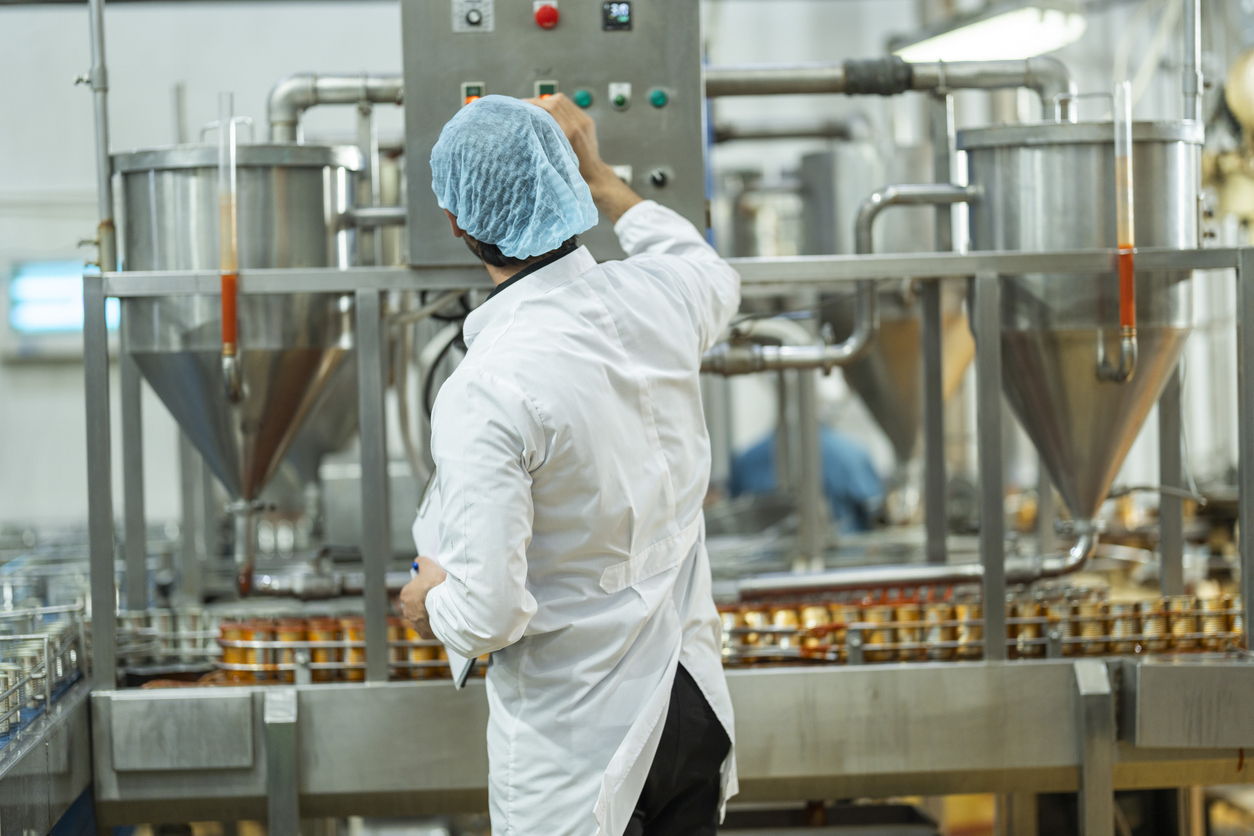
New data reveals that the food and drink manufacturing sector now contributes £42bn to the UK economy, providing almost half a million jobs right across the UK.
Food and drink’s regional contribution
The Powering Communities report, published by the Food and Drink Federation, highlights how the sector’s economic contribution extends across every region of the country. The UK’s more than 12,000 food and drink manufacturers span the country, supporting jobs, infrastructure and local communities.
The report highlights an additional £75m investment made by Kellanova to create Europe’s biggest cereal factory in Wrexham, Wales. Meanwhile, following recent investment, Haribo is set to open a new warehouse in Castleford, Yorkshire, protecting the region’s sweet-making heritage. It also reveals that the sector represents around a third of manufacturing turnover in Scotland (32.4%) and Northern Ireland (35.1%).
Food manufacturing is a major employer in every corner of the country, employing nearly half a million (489,333) people, creating 43,833 jobs since 2018. From food technologists and microbiologists to engineers and sustainability experts, the sector creates highly skilled and long-term careers in every community – representing around a fifth (19.3%) of total manufacturing employment.
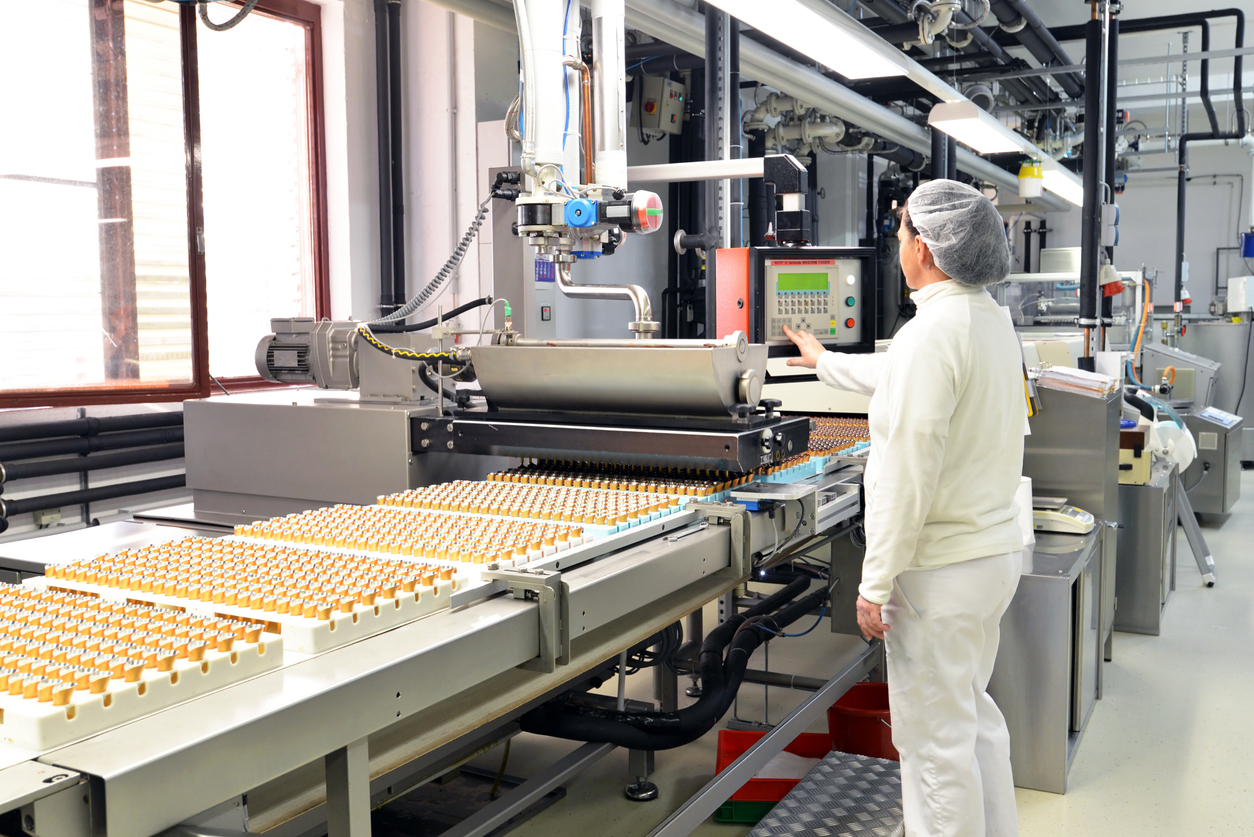
While the sector saw growth in every region of the UK, food manufacturers also saw production costs increase 4.4% on average, rising up to 5.3% for small businesses.
Safeguarding the sector’s economic growth
With the food and drink manufacturing present in every region of the UK, and being the largest manufacturing sector in Scotland, Wales and Northern Ireland, the industry is uniquely placed to contribute to the government’s ambitions to break down regional inequalities and drive economic growth nationwide.
However, 2025 was a challenging year for the industry. Food manufacturers saw production costs increase 4.4% on average, rising to 5.3% for small businesses. Piling cost pressures over recent years, along with further global uncertainty in 2026, have hampered businesses’ ability to invest in the technology, innovation, skills and productivity growth they need to be able to be competitive in the future. This is putting the long-term resilience of the sector, the jobs it provides, and the country’s status as a global hub for food innovation at risk.
Karen Betts, chief executive at the Food and Drink Federation, said: “This report shows how much food and drink manufacturing matters – it happens in every corner of the country, providing jobs, building skills and bringing prosperity to communities, while ensuring that everyone, everywhere has an amazing array of choice when they do their food shopping.
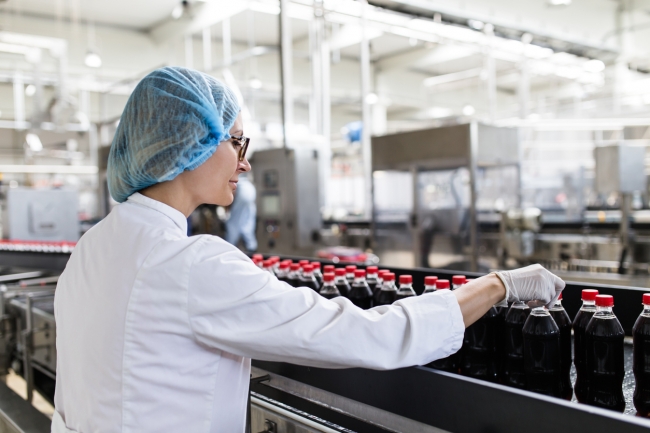
Rapidly rising energy costs are a concern, with energy embedded in every stage of the food and drink manufacturing process.
“But manufacturers are squeezed. The last six years have been a rollercoaster of regulatory change combined with geopolitical shocks, all driving inflation and the cost-of-living crisis. More often than not, manufacturers are now running to stand still, investing to maintain operations rather than to fit them for the future. But if we want a sustainable, resilient food system fit for an island nation, we need companies to be investing in future technologies, new manufacturing methods, new packaging materials and new, healthier ingredients and products.
“We need government to back the future of food manufacturing in the UK by ensuring we’re at least on a par with automotive, aerospace and other sectors. It can do this by helping us handle soaring energy costs, as they are with other sectors, mitigating the risks for SMEs investing in new technologies, ensuring engineers and scientists can access training for our sector, helping companies use the latest trade deals, or improving access to R&D funding to nudge consumers towards healthier products.”
The Food and Drink Federation has set out plans to accelerate the industry’s growth to £50bn in the next decade. Unlocking this potential rests on government backing businesses’ growth ambitions and creating the right environment to drive investment in UK food and drink manufacturing.
Download the full report below: