4 min read - 12 Jan, 2026
Survey shows industrial strategy set to provide manufacturing growth boost in 2026
Britain’s manufacturers believe the introduction of an industrial strategy and individual sector plans will have the biggest impact on their growth prospects in 2026, with a majority of companies believing the opportunities for their business to succeed outweigh the risks this year, according to a new survey published today.
The findings come from the annual Make UK 2026 Senior Executive Survey, in association with PwC UK, which looks at the opportunities, risks and challenges for manufacturers in the year ahead, as well as the outlook for the UK and international economies.
As well as the benefits from an industrial strategy and sector plans, the survey shows that, despite the current challenges from rapidly escalating costs, a majority of companies believe that, overall, the UK remains a competitive place in which to manufacture.
However, Make UK warned the survey also signals that the significant increases in business costs faced by manufacturers, especially on employment and energy, are threatening to reach a tipping point whereby investment plans will be cancelled or shifted overseas.
In response, Make UK is urging government to speed up the pace of delivery on the industrial strategy, as well as bringing forward the much vaunted business energy support scheme and expanding it to cover the broadest possible range of companies. In addition, Make UK is calling for greater stability and clarity regarding future employment legislation and costs, given the impact on recruitment of the increase in NICs and the Employment Reform Bill.
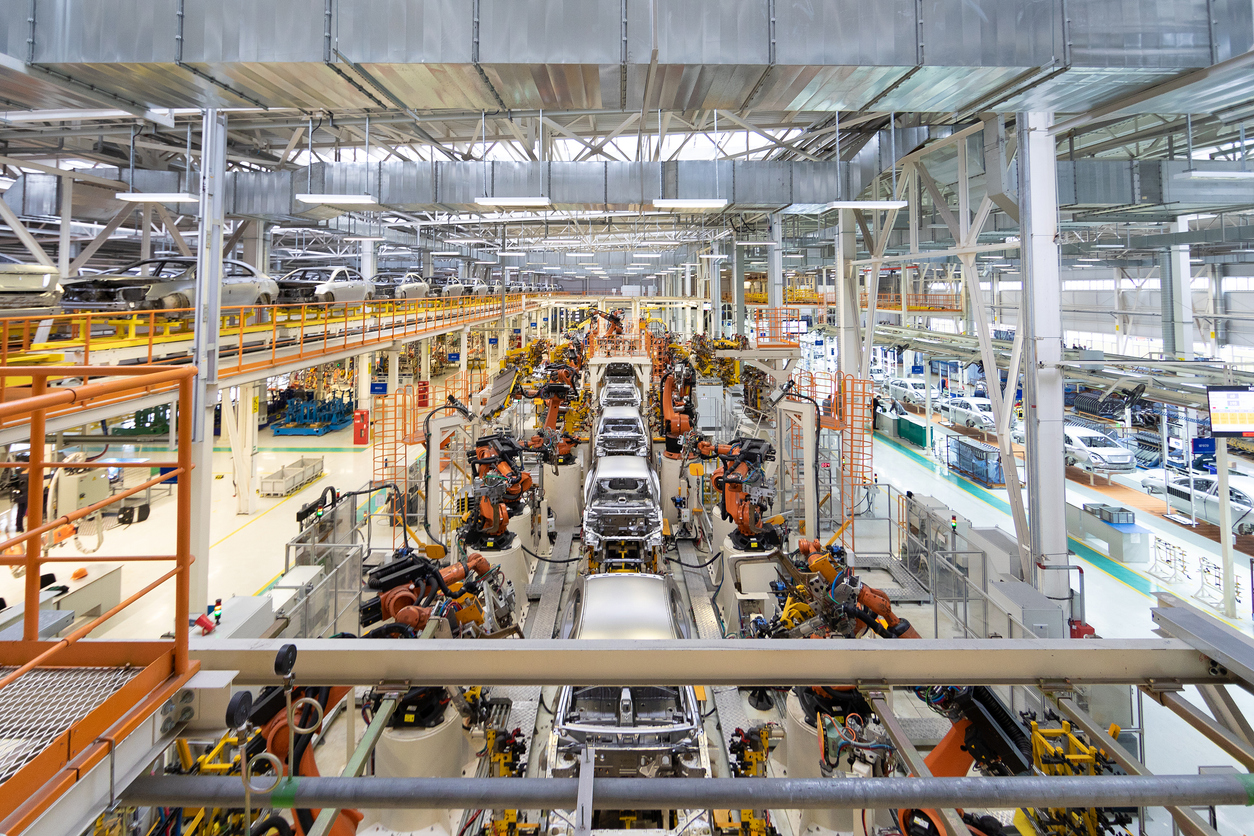
The industrial strategy is set to have the biggest impact on manufacturing growth in 2026, according to the annual Make UK Executive Survey.
Stephen Phipson, chief executive of Make UK, said: “Manufacturers have demonstrated their resilience over and over again in recent years and those that remain innovative and are prepared to invest in new technologies, expanding markets and, most crucially, their people will continue to thrive.
“But, they can only do this if they are operating in the most favourable business environment and, despite the commitment to an industrial strategy, not only is growth anaemic but the warning lights are now flashing red on the UK as a competitive place to manufacture and invest. The government promised significant change, now is the time to deliver it.”
According to the survey, more than half of companies (57%) say a long-term industrial strategy and sector plans will have the biggest impact on growth this year, with almost two-thirds (63%) saying they will bring forward investment in response.
The top priorities for investment are new product development for four in five companies, with more than three quarters (76%) investing in digital technologies, AI and automation. More than half of companies (55%) are set to expand their product portfolio, and four in 10 companies (42%) are planning to export to new countries. The increased use of AI, in particular, is linked to more than a third of companies (37%) saying their key area for growth is increased marketing of their business.
Cara Haffey, leader of industrials and services at PwC UK, added: “The UK’s manufacturers are ambitious in their mission to drive growth. The Industrial Strategy is front and centre of this optimism but it will take time to reap the rewards from its implementation. Nonetheless, the industry can’t afford to sit still. Those shifting their focus to product innovation, embracing technology and investing in marketing will be the winners in the battle for growth.”

However, warning signs remain, with almost nine in ten companies expecting their employment costs to increase, and concerns around energy costs remain high.
The biggest challenges companies face are significant cost increases across the board, with almost nine in 10 companies (86%) expecting increases in employment costs, a similar number (79%) seeing increases in material/input costs and two-thirds (67%) in business rates.
In response, Make UK warned that while some increases are a result of global factors, domestic employment and other business costs are threatening a tipping point whereby investment plans will either be cancelled or shifted overseas. As an indication of sentiment within the sector, almost two-thirds of companies (60%) said they would have decreased or cancelled investment plans if business tax increases had taken place in the Budget, with a similar number (57%) said they would have shifted investment overseas.
Furthermore, while more than half of companies (57%) believe the UK to be a competitive place to manufacture, more than a quarter (26%) view the UK as uncompetitive. In addition, an equal number of non-UK businesses view the UK as an unattractive location to invest (39%) compared to those who view it as an attractive destination (41%).
You can download the full report below: