
3 min read - 16 Apr, 2026
Expanding onshore wind supply chain could deliver £56bn economic boost
A new report commissioned by RenewableUK shows that expanding the UK’s onshore wind supply chain between now and 2050 could add up to £56bn in economic value (GVA) to the UK’s economy and create thousands of new jobs throughout the country.
Adding this £56bn to the £98bn which will be generated by the UK’s current onshore wind supply chain between now and 2050 would bring a total of £154bn in GVA for the UK.
The onshore wind capability report highlights key parts of the supply chain that would provide the most value to the UK’s economy. These include manufacturing more onshore wind turbine blades, towers and steelwork, nacelles, drivetrains, cables and electrical equipment for high voltage substations in the UK for onshore wind farms here and abroad.
The report also notes that the UK has a strong track record in providing high-value replacement parts to refurbish onshore wind turbines and that it should continue to focus on this. Expanding this part of the supply chain is identified as the easiest win for UK-based companies.
Around 70% of lifecycle spend by UK onshore wind projects already takes place in the UK, with supply chain companies based all over the UK.
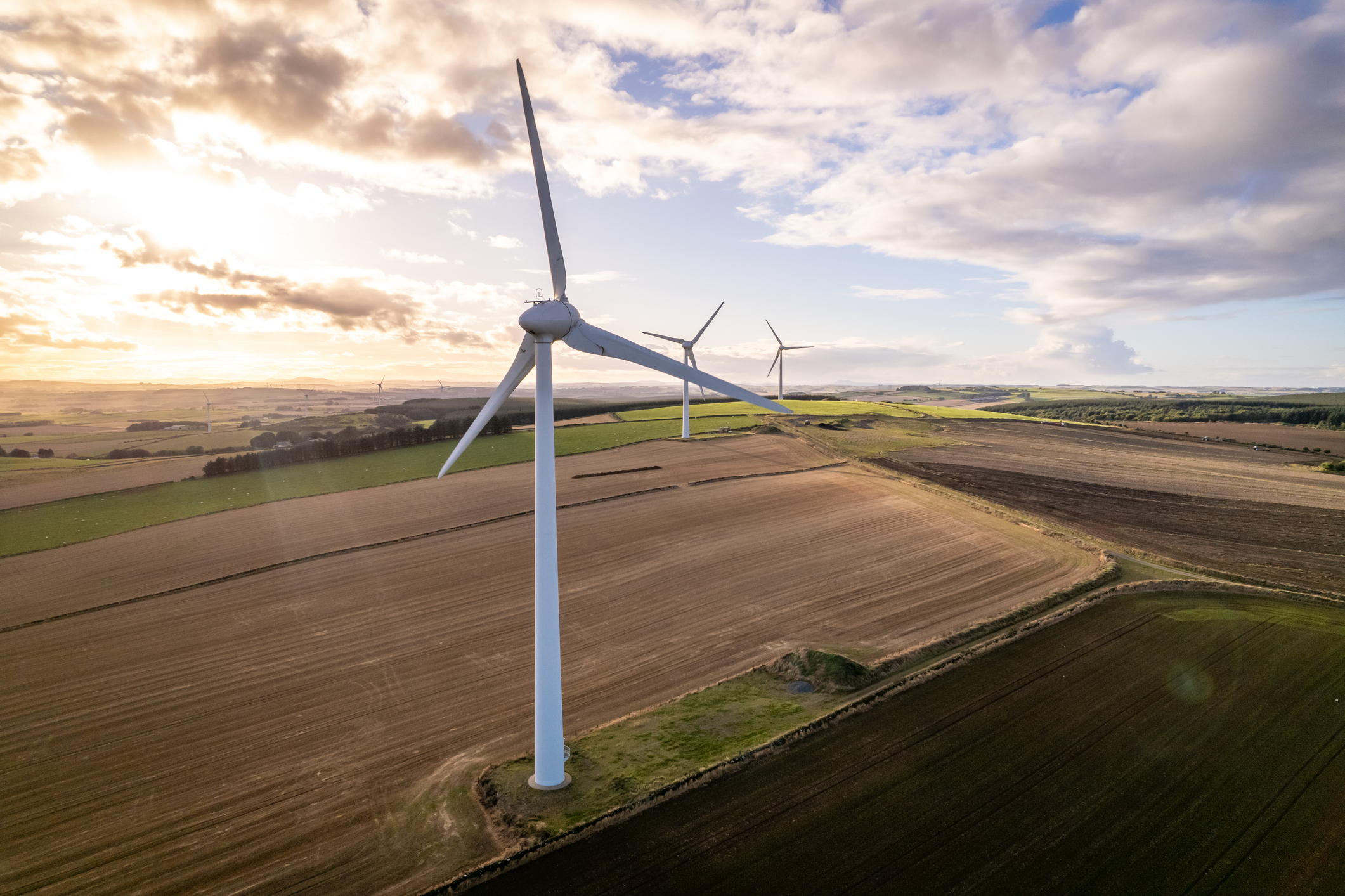
A new report by RenewableUK shows that expanding the UK’s onshore wind supply chain between now and 2050 could add up to £56bn in economic value.
The report notes that the UK’s onshore wind capacity is expected to grow from 16 gigawatts now to over 50GW by 2050 under an ambitious deployment scenario, following the lifting of the de facto onshore wind ban in England two years ago. Much of the additional onshore wind generating capacity will come from repowering the UK’s older onshore wind farms, where older turbines are replaced with newer and more powerful models.
James Robottom, head of onshore wind delivery at RenewableUK, said: “Onshore wind is an engine for significant economic growth in the UK. This report highlights the strong pipeline of onshore wind projects coming online between now and 2050, with capacity expected to increase more than threefold. We already have supply chain companies across the country delivering high levels of spend in the UK from our onshore wind farms, but more can be done to grow this sector and create thousands of new jobs by investing in new factories to manufacture more components for projects here and abroad.
“As this report shows, industry can play its part by focusing specifically on the highest value components and services, while government also has a key role in reducing taxes and tariffs, as well as taking effective measures to bring down the cost of electricity for industrial users, which are long overdue.”
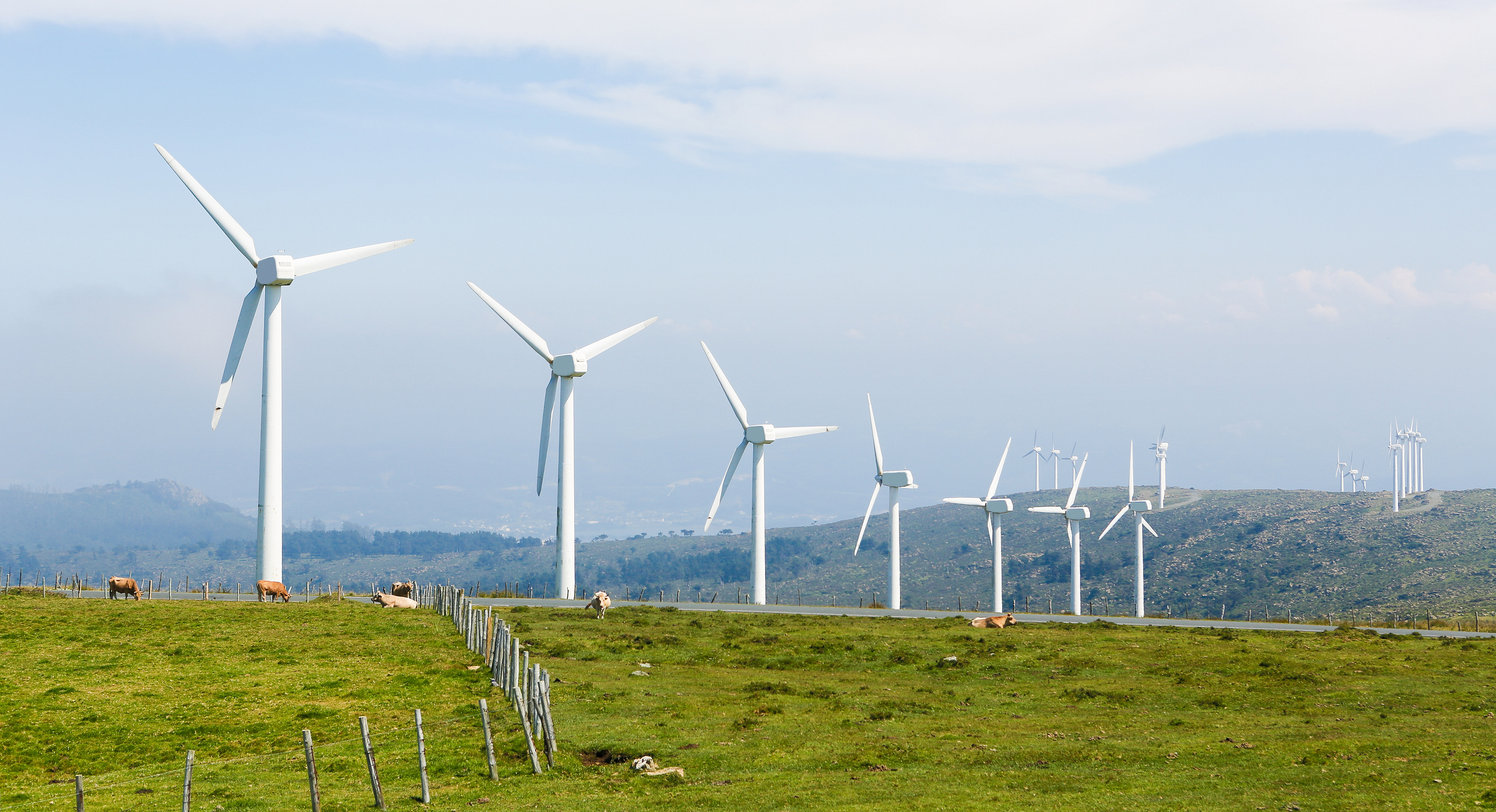
Under an ambitious deployment scenario, the UK’s onshore wind capacity could grow from 16GW to more than 50GW by 2050.
The report makes three key recommendations for the onshore wind industry and government:
• Industry should work with the government to make the case for investing in new UK manufacturing facilities by highlighting synergies with other parts of the energy sector, such as offshore wind, as some companies can supply both markets to maximise their return on investment.
• Ensure the UK’s industrial base is cost-competitive at home and abroad by reducing the cost of electricity for manufacturers and cutting taxes and tariffs for specific onshore wind components.
• Focus on refurbishing and repowering onshore turbines as these areas offer major opportunities to grow the supply chain.
Matthieu Hue, CEO at EDF Power Solutions UK and Ireland and Onshore Wind Industry Council Co-Chair, added: “The value of onshore wind to the UK economy is undeniable, and this report underlines the critical importance of our domestic supply chain as a creator of high-skilled jobs and driver of economic growth.
“These opportunities will have immediate and long-lasting benefits, with projections indicating that our current operating fleet across the UK could potentially triple by 2050. To be realised, we must provide stable policy support, a transparent project pipeline, a skilled workforce, and strong access to import and export markets. Together, we can solidify the UK’s position as a clean energy superpower, leading the way towards a secure and prosperous future.”
