
3 min read - 14 Sep, 2026
Alstom signs €1.2bn deal for Britain’s first mainline battery-electric trains
Alstom has signed contracts worth £1bn with TransPennine Express (TPE) for the supply and long-term maintenance of a new fleet of battery-electric trains. The British-designed and built trains will support the Transpennine Route Upgrade, which includes boosting capacity across the Pennines by 30% with thousands of additional daily seats by the early to mid-2030s.
The agreements combine a rolling stock contract worth approximately £797m for 29 five-car battery-electric multiple units (BEMUs) with maintenance contracts valued at around £197m. The fleet will be delivered from 2032 and will support the ongoing decarbonisation of one of Britain’s most important rail corridors.
The order represents the first deployment of Alstom’s Adessia Stream platform in the UK and will deliver Britain’s first mainline battery-electric train fleet. The new trains will be designed, engineered, built and tested at Alstom’s Litchurch Lane factory in Derby – the UK’s only end-to-end train factory.
The Adessia rolling stock order will support more than 350 highly skilled jobs in Derby and over 5,500 roles throughout Alstom’s UK supply chain. Manufacturing is expected to begin in 2028, with the project set to generate at least £360m in spending with British suppliers. The maintenance contract, which will support over 100 roles, will run for an initial eight-year period, with the potential for a further eight-year extension, helping maximise fleet availability, reliability and performance throughout its operational life.
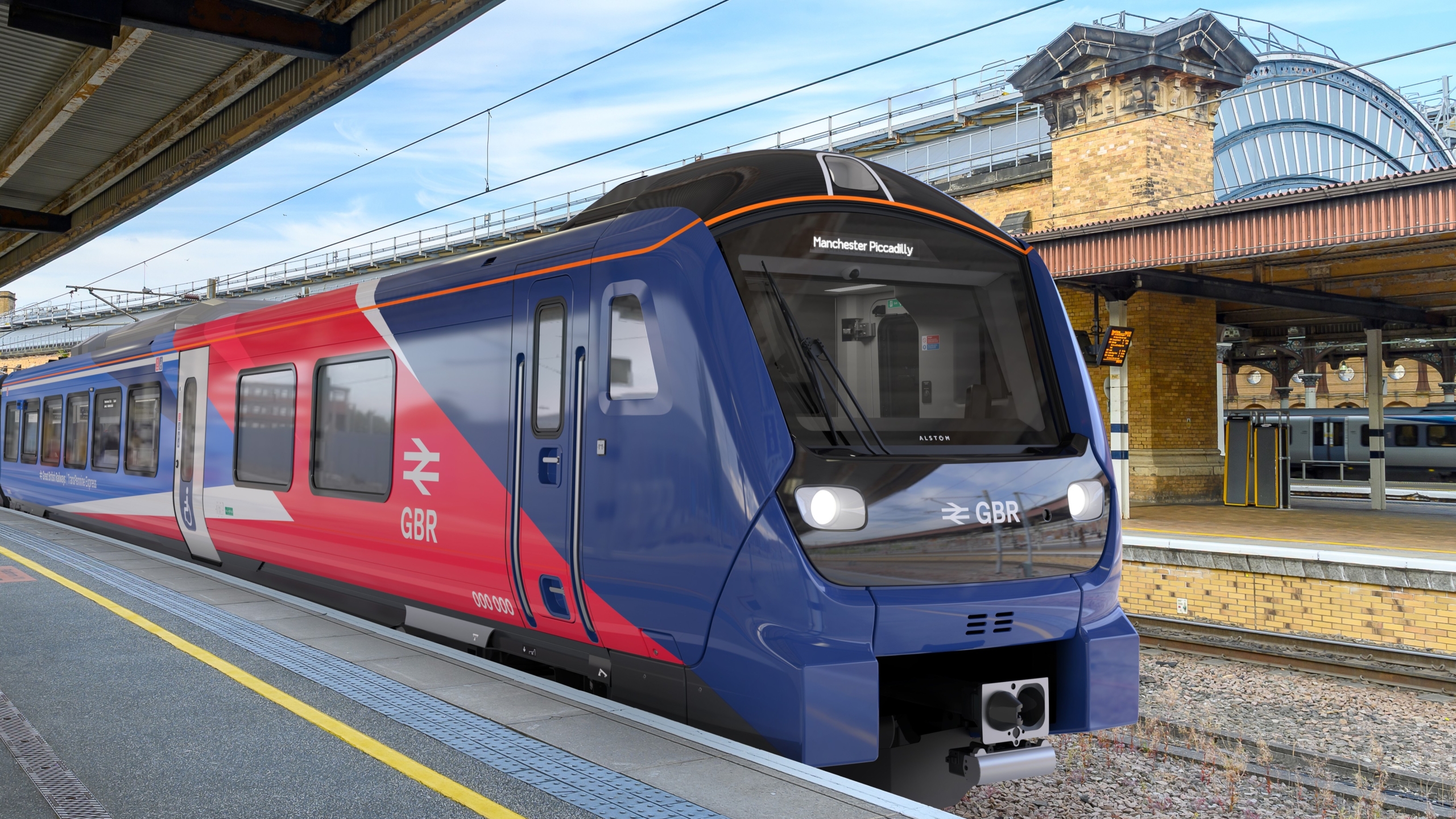
Alstom has signed contracts worth £1bn with TransPennine Express to deliver Britain’s first mainline battery-electric train fleet / Picture: Alstom
Rob Whyte, managing director UK at Alstom, said: “This agreement is a landmark moment for Britain’s railway, and we couldn’t be prouder that the country’s first mainline battery-electric trains will be designed and built in Britain. The fleet will transform journeys across northern England while showcasing the very best of British engineering, innovation and advanced manufacturing.
“As momentum builds behind strengthening UK industry and regional prosperity, this project is a powerful example of what can be achieved by investing in British design, British manufacturing and British talent.”
Devised specifically for the needs of long-distance regional travel, the 121-metre-long trains will operate at speeds of up to 110 mph and provide around 300 seats per train, including a first-class area with catering facilities.
The fleet’s battery technology provides emission-free operations on non-electrified sections of the railway. Charging infrastructure will be installed by Alstom at Hull, Scarborough and Saltburn, allowing the Adessia fleet to recharge efficiently during normal operations and supporting TPE’s ambition to operate a fully decarbonised network. Installation of this infrastructure will be a UK-first on the mainline network and follows a similar successful deployment by Alstom in Ireland.
The project showcases Alstom’s ability to deliver a complete railway solution, combining rolling stock, maintenance, depot provision and charging infrastructure within a single integrated programme.
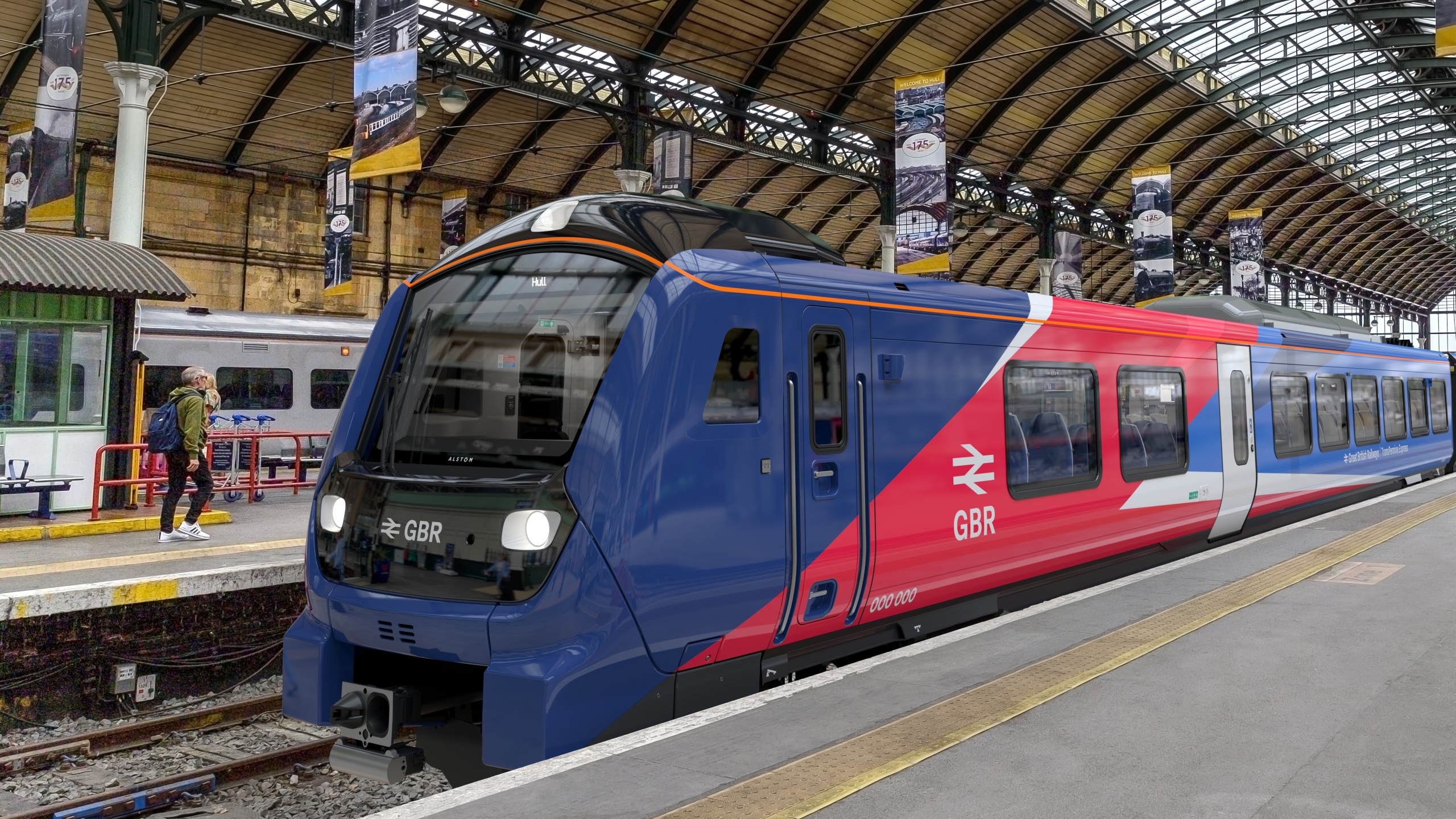
The agreements combine a rolling stock contract worth approximately £797m and maintenance contracts valued at around £197m / Picture: Alstom
Alstom will train at least 36 apprentices and 36 T Level students over the contract, which is also set to benefit over 1,000 community members each year through the company’s established local engagement framework.
The new battery-electric fleet will operate on services connecting key destinations across northern England, including Liverpool, Manchester, York, Hull, Scarborough and Saltburn. The new trains – funded by rail investor Rock Rail – will replace part of TPE’s existing Class 185 fleet.
A three-year research programme and a £35m investment culminated in the development of Adessia for the UK, the next evolution of the Aventra train platform, proven at scale across England, with fleets already delivering over 18 billion passenger miles.
Alstom was the first rail manufacturer to have both hydrogen and battery trains in commercial operation and continues to expand its portfolio of battery-powered solutions worldwide.
A key milestone was reached in February 2026, when the first Coradia Continental battery-electric train entered commercial service for the operator VMS in Germany, followed by the entry into service in July 2026 of France’s first battery-powered trains. These milestones demonstrate how innovative battery technology can accelerate the replacement of diesel trains on non-electrified regional lines.
