

3 min read • published in partnership with MRPeasy
Eight signs your inventory system is holding back your manufacturing operations
Inventory issues in manufacturing rarely stop at the warehouse. When stock data is disconnected from production, small inaccuracies can quickly turn into material shortages, delayed work orders, missed delivery dates, and unreliable financial data.
Why manufacturing inventory management is different
In manufacturing, inventory problems rarely stay in the warehouse. That is because manufacturing inventory is tied to much more than stock levels. Materials are connected to bills of materials, manufacturing orders, purchase orders, lead times, shop floor activity, subcontracting operations, and finished goods.
This is why manufacturers often outgrow basic inventory management software. Knowing what is in stock is important, but it is not enough. You also need to know what is available for production, what is already reserved, what is needed for upcoming jobs, and whether you can actually make and deliver what has been promised.
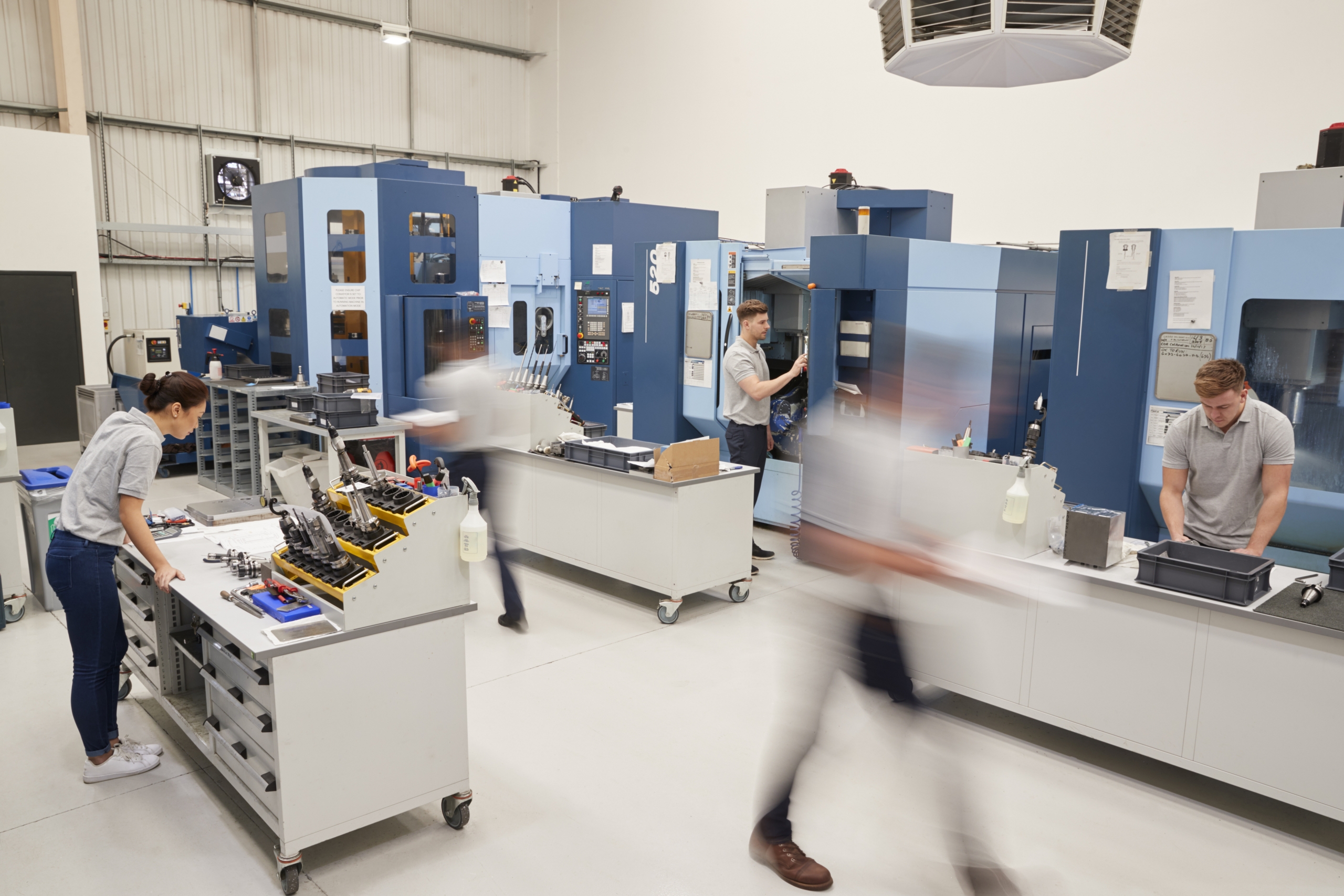
Eight signs your inventory system is holding back production
1. Production stops even though materials appear to be in stock. The system may show stock on hand, but not account for reservations, quality holds, wrong locations, scrap, or materials already allocated to other jobs.
2. Production planning still happens in spreadsheets. If planners, buyers, warehouse staff, and sales teams all use separate files, your inventory data is not connected to production reality.
3. Purchasing is always reacting to shortages. Buyers should be able to see what materials will be needed for upcoming work orders, not just what is already below the reorder point.
4. BOM changes create confusion. If bills of materials are outdated or managed separately, purchasing may order old components, production may use the wrong parts, and costing may become unreliable.
5. Sales promise delivery dates that production cannot meet. If sales cannot see material availability, production load, and supplier lead times, promised dates may be based on hope rather than capacity.
6. Shop floor updates arrive too late. When material consumption, scrap, finished goods, and work order progress are recorded hours or days later, the system is never current enough to trust.
7. Product costs are unreliable. Material costs alone do not show the true cost of production. Labor, machine time, subcontracting, overhead, scrap, and rework also need to be included.
8. The system tells you what you have, but not what you can make. Manufacturers need answers to production questions: what can be made, what is missing, which jobs are at risk, what needs to be purchased next.

How manufacturing ERP software solves these problems
Manufacturing ERP software like MRPeasy is built around the full manufacturing operation, not just the warehouse. It helps manufacturers manage inventory as part of production by:
• Connecting inventory to BOMs and to production in general.
• Calculating material requirements from sales and purchase orders, forecasts, stock levels, and planned production.
• Planning work orders around material availability, routing steps, workstation capacity, and delivery dates.
• Giving purchasing better visibility into demand, reducing both shortages and overbuying.
• Aligning sales and production so delivery promises are based on real availability and capacity.
• Recording shop floor activity, material consumption, scrap, and finished goods more accurately.
• Supporting lot and serial traceability, quality checks, and recall control.
• Combining material, labor, subcontracting, overhead, scrap, and rework costs into more realistic product costing.
• Giving management one connected view of inventory, purchasing, production, sales, and finance.
In short, manufacturers need to know not only what is in stock, but what they can make, when they can make it, what materials are missing, and what production will actually cost. That is why manufacturers looking to improve production efficiency should look beyond standalone inventory management software and choose manufacturing ERP software instead.
