
5 min read - 26 May, 2026
The importance of STCW courses in modern maritime operations
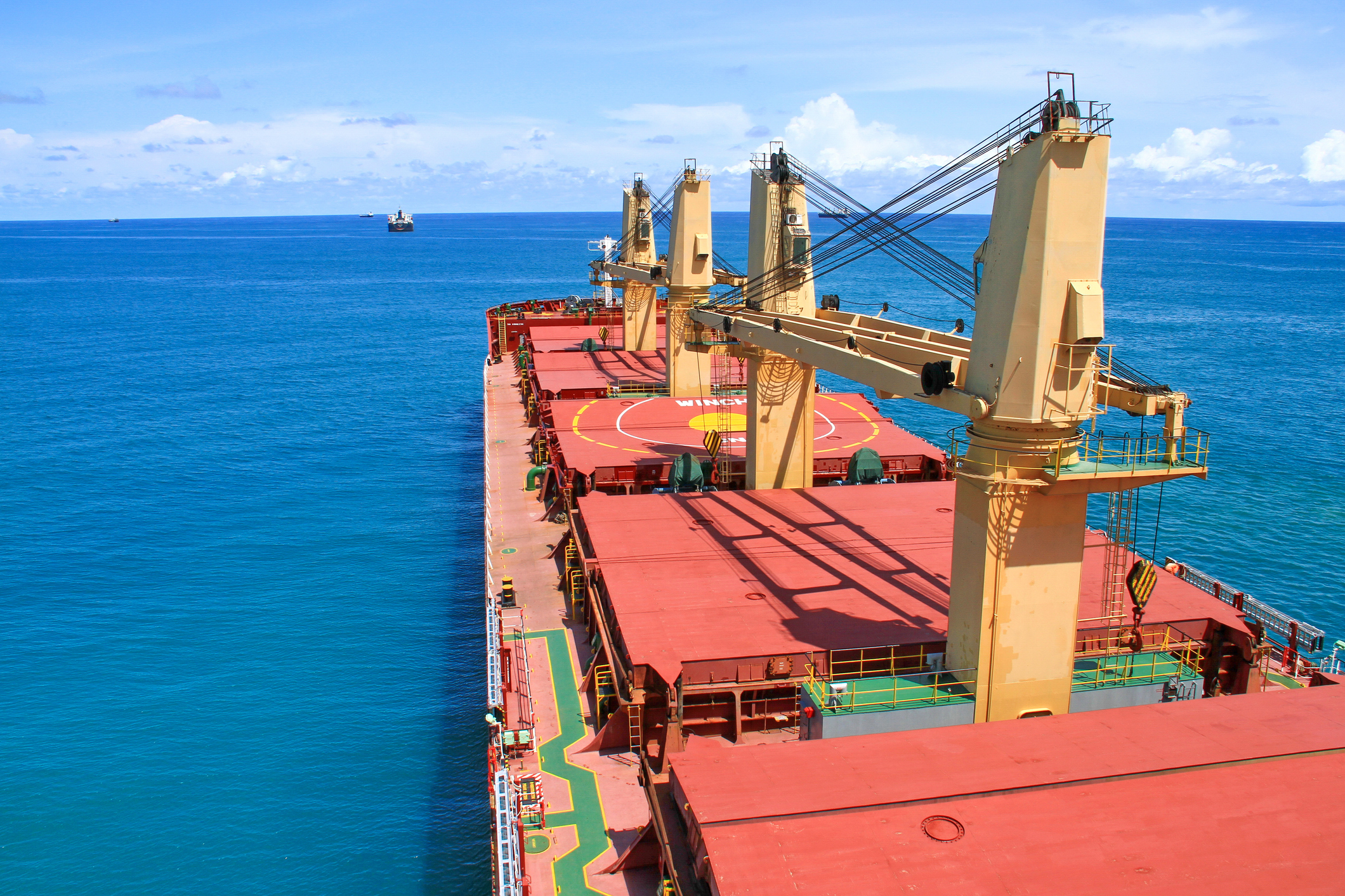
International shipping operations remain closely connected to manufacturing supply chains, offshore logistics, industrial transport, and global cargo movement. Commercial vessels operate in highly regulated maritime environments where onboard safety and workforce readiness directly affect daily operations. Shipping companies place strong emphasis on STCW courses because maritime crews must understand emergency response procedures before working aboard a vessel. Personnel also need training in fire prevention, survival techniques, first aid responsibilities, and operational safety procedures connected to navigation, engineering, maintenance, and cargo handling activities.
Safety preparation across commercial vessel operations
Commercial vessels operate under conditions that differ significantly from most land-based industrial environments. Crews often work in confined operational spaces where emergency assistance may take considerable time to arrive. Onboard incidents also require immediate coordination between several departments at the same time. Engine room fires, equipment failures, rough sea conditions, confined machinery spaces, and evacuation situations all require personnel to respond quickly while following established safety procedures. Clear operational procedures reduce confusion and help crews make safer decisions during high-pressure situations onboard.
Maritime employers rely heavily on internationally standardized preparation through STCW courses to prepare crews for survival situations, fire response procedures, elementary first aid responsibilities, and broader operational safety expectations. These training standards create stronger workforce consistency across global shipping operations. Vessel owners, operators, and regulatory authorities depend on personnel who already understand the core safety procedures required under international maritime regulations before joining active vessel operations.
Picture: Getty/iStock
Operational coordination in maritime environments
Modern commercial vessels depend heavily on coordination between deck crews, engineering departments, bridge officers, maintenance personnel, and cargo handling teams. These groups often work simultaneously across several operational areas during a voyage. Communication failures during maintenance activities or emergency situations can quickly affect onboard safety. Many operational systems aboard ships remain interconnected through shared mechanical, electrical, and navigation infrastructure. Personnel therefore need a clear understanding of both their individual responsibilities and the wider operational procedures connected to emergency response and onboard safety management.
International shipping environments also require consistency across multinational crews. Operational procedures must remain clear despite differences in language, vessel type, cargo requirements, and voyage conditions. Maritime regulations connected to training, certification, and watchkeeping responsibilities therefore play an important role in maintaining safer operations across the shipping industry. Certification renewal requirements and refresher preparation also help crews remain familiar with updated procedures and operational expectations as maritime technologies and safety systems continue evolving.
Workforce readiness across modern shipping operations
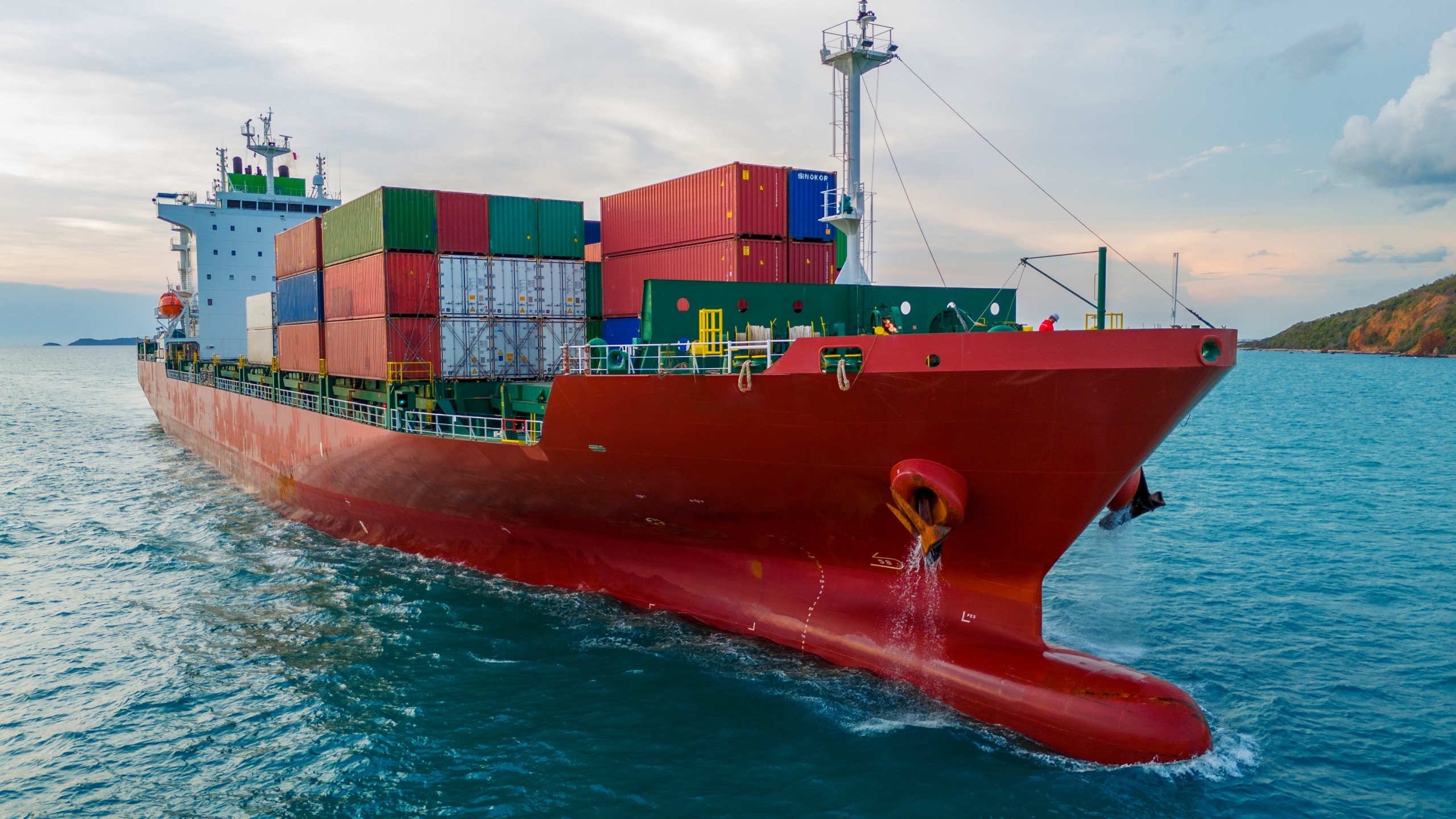
Shipping operations increasingly rely on technically prepared personnel capable of working around advanced propulsion systems, automated monitoring equipment, cargo handling infrastructure, and integrated vessel management systems. Crews must also maintain strong emergency response awareness while operating in confined and demanding environments. Equipment failures, onboard fires, flooding incidents, or medical emergencies may require immediate action from personnel already working far from outside emergency assistance.
Maritime employers encourage ongoing refresher preparation and practical emergency exercises connected to onboard survival procedures, emergency response coordination, and safety management responsibilities. Programs such as the STCW basic safety training course help strengthen foundational maritime safety awareness across several operational disciplines. This structured approach helps maritime personnel maintain operational readiness and safer coordination across vessel operations. Emergency procedures in these environments remain closely connected to workforce reliability and international regulatory compliance.
Picture: Getty/iStock
Final thoughts
Commercial shipping remains a critical part of international industry because manufacturing supply chains, offshore operations, energy transport, and industrial logistics all depend on vessels operating safely across international maritime routes. Shipping companies and vessel operators continue relying on internationally standardized training systems that prepare crews for onboard emergencies, operational coordination, and long-term compliance with maritime safety regulations. FMTC supports these industry requirements through certified maritime safety programs designed to prepare crews for the operational realities connected to modern commercial shipping environments.